
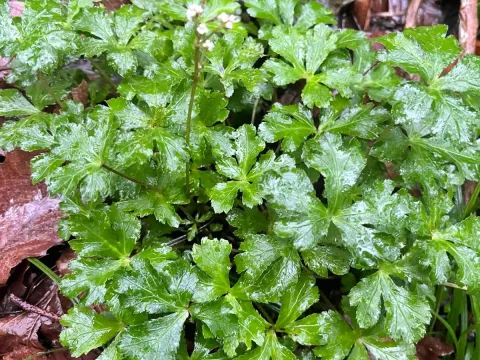
Hacquetia
Hacquetia
Hacquetia is a monotypic genus of perennial herbaceous plants belonging to the Apiaceae (parsley) family. In horticulture, the primary species is Hacquetia epipactis, which is highly valued for its striking, early spring blooms consisting of yellow florets surrounded by leafy bracts.
What the section contains
Hacquetia
The native range of this plant includes the forested mountains of Central and Eastern Europe. Because it evolves in deciduous woodland environments, the plant is naturally adapted to cool, moist, and shaded conditions, making it an excellent candidate for shade gardening.
For successful cultivation, Hacquetia requires a location with partial to full shade. It thrives in woodland settings, such as under the canopy of deciduous trees or shrubs, where it is protected from intense, direct sunlight which can scorch its delicate foliage.
The soil should be consistently moist, fertile, and rich in humus or well-rotted organic matter. Good drainage is essential, as the plant does not tolerate waterlogged conditions that can cause root decay, despite its affinity for moisture.
Hacquetia is a cold-hardy perennial, typically rated for hardiness in moderate climates. Maintenance is relatively simple: keeping the soil mulch-covered helps retain moisture during dry periods and mimics the natural forest floor habitat where the plant originates.
Hacquetia is generally robust and free from serious diseases, provided that the growing conditions are appropriate. The primary concern is root rot, which typically occurs in heavy, water-logged soils. Ensuring a porous, humus-rich soil structure is the best preventative measure against fungal pathogens.
The most common pests affecting this plant are slugs and snails. These mollusks are particularly drawn to the soft, succulent leaves and flowers in the early spring, potentially causing aesthetic damage to the plant and reducing its decorative impact during the growing season.
Cultural control methods, such as clearing debris from the base of the plants, are effective in reducing slug populations. Additionally, applying physical barriers like crushed shells or grit around the base of the plant can discourage these pests from reaching the foliage.
Leaf spot diseases can occasionally occur if there is poor air circulation around the plants. To prevent this, avoid overcrowding your garden beds and ensure that there is sufficient spacing between Hacquetia and other perennial plants to allow for proper airflow.
Early detection and intervention are key to maintaining a healthy Hacquetia stand. Regular observation of the plant foliage, especially during moist spring weather, will help garden owners catch any pest or disease issues early before they cause significant stress to the plant.