
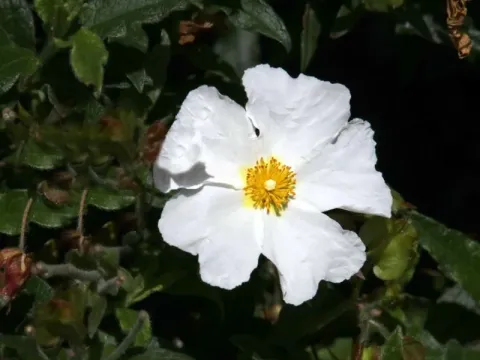
Hairy rockrose
Cistus hirsutus
Sowing Cistus hirsutus is typically performed in the spring once the risk of frost has passed. Selecting a location with well-warmed soil is essential for ensuring rapid seed germination and early development.
What the section contains
Hairy rockrose
The seeds possess a hard coat, so mechanical scarification or a period of soaking is recommended to improve germination rates. This helps moisture penetrate the seed coat, triggering the biological clock for growth.
When starting in containers, seeds should be sown in late winter or early spring using a lightweight, well-draining substrate. Light is crucial for germination, so seeds should be covered very thinly.
Transplanting to the final site should take place once the plants reach a height of 10–15 cm. Proper spacing is necessary to facilitate airflow and minimize the risk of moisture-related diseases in the foliage.
While natural regeneration occurs via seed dispersal, cultivated plots require careful management to maintain uniform plant density and ensure efficient crop monitoring throughout the growing season.
Hairy rockrose belongs to the Cistaceae family and is native to the Mediterranean region. It thrives in conditions characterized by plenty of sunshine, warmth, and well-defined seasonal changes.
The plant requires loose, sandy, or rocky soil with excellent drainage. Waterlogging is detrimental to the root system, making hillside or sloped sites the most suitable for large-scale cultivation.
This species is highly drought-tolerant, possessing anatomical adaptations that prevent excessive water loss. Once established, it requires minimal irrigation, making it a sustainable choice for dry climates.
Optimal temperatures for growth range between 20°C and 25°C. While it is somewhat hardy, it may require protection from extreme winter freezes to ensure survival and consistent growth in the following season.
It prefers neutral to slightly acidic soils that are typically low in organic matter. Its ability to grow in poor soil conditions makes it a valuable plant for land reclamation and low-input agricultural systems.
The economic value of Cistus hirsutus is primarily derived from its essential oils and resins. Productivity is measured by the amount of harvestable biomass collected during the peak flowering stage.
Plantations typically reach their peak production potential in the third or fourth year of growth. During this time, the glandular hairs on the leaves and stems are most active in secreting valuable aromatic compounds.
Average biomass yield per hectare depends on planting density and the intensity of management practices. Consistent sun exposure during the maturation phase is critical for maximizing oil quality.
The harvested material is used for the extraction of labdanum, a precious resin utilized extensively in the global fragrance and cosmetic industries for its unique fixative properties.
Successful management of the harvest cycle ensures that the plantation remains productive for many years, providing a reliable source of raw material for high-value botanical extracts.
The primary threats to hairy rockrose involve fungal infections, often triggered by excessive soil moisture and poor air circulation. Root rot is a common issue, especially during wet autumn and winter months.
Pests such as aphids and spider mites can infest young shoots, potentially weakening the plants and reducing the overall quality of the essential oil extracted from the biomass.
Powdery mildew may develop under high-humidity conditions. Maintaining proper plant spacing and avoiding overhead irrigation are key cultural practices to prevent the spread of such pathogens.
While robust, the plant can be susceptible to damage from soil-borne insects in its juvenile stage. Regular monitoring of the plantation is essential to identify early signs of stress or infestation.
Integrated pest management, including the use of biological control agents and sanitation practices, is recommended to protect the crop without compromising its organic quality.
Harvesting is performed during peak flowering, as this is when the concentration of essential oils and resins is at its highest. It is best to collect the plant material on a dry, sunny day.
Techniques range from manual pruning to the use of specialized mechanical harvesters. Care must be taken not to cut too deeply into the woody stems, allowing the shrub to regrow effectively.
Post-harvest logistics are critical; the raw material must be transported to the processing facility immediately to prevent fermentation and the loss of volatile aromatic compounds.
Drying should be carried out in shaded, well-ventilated areas at temperatures not exceeding 40°C. This careful approach preserves the chemical integrity of the extracted essential oil.
Performance metrics for the harvest focus on the oil yield per unit area and the purity of the final product, which determine the market value of the harvest in the essential oil sector.