
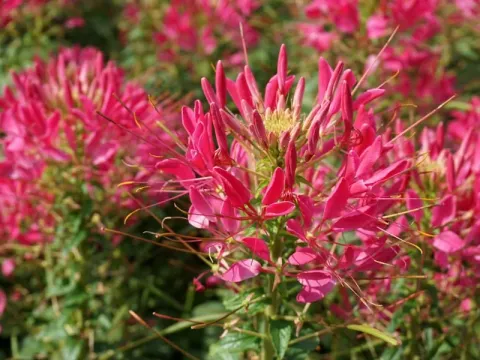
Gynandropsis spinosa
Gynandropsis spinosa
Gynandropsis spinosa is typically cultivated as an annual, starting from seeds sown indoors. Sowing should occur in late March or early April in seed trays, keeping a temperature of approximately 20–22 degrees Celsius for optimal germination.
What the section contains
Gynandropsis spinosa
The transplantation of seedlings to open ground takes place after the last spring frost date. This plant is thermophilic and thrives when placed in well-warmed soil, usually from late May or early June in temperate climate zones.
Direct sowing in the garden is only feasible in warmer regions where the frost-free period is sufficiently long. Seeds should be planted at a shallow depth of about 1 centimeter in well-drained, fertile soil, with adequate moisture maintained until emergence.
To improve seed germination rates, pre-soaking seeds in warm water for a few hours is a beneficial practice. This technique softens the seed coat and significantly increases the speed of emergence under varying spring conditions.
Planting density is crucial for the health and aesthetic quality of the plants. Spacing should be at least 40–50 centimeters apart, allowing for sufficient air circulation, which prevents the development of fungal issues in the dense canopy.
Gynandropsis spinosa is a member of the Capparaceae family, highly valued for its striking floral displays. It demands full sun exposure, as even light shade can cause the stems to stretch and bloom density to drop significantly.
The soil should be loose, well-draining, and rich in organic matter. Sandy or loamy soils with a slightly neutral pH are ideal, while heavy clay soils that retain excess moisture should be amended with organic material or sand to improve structure.
Regular irrigation is essential during the vegetative stage, particularly during dry spells. While established plants show some drought tolerance, consistent soil moisture promotes faster growth and more prolific flowering throughout the summer.
Nutrient management involves applying a balanced fertilizer throughout the growing season. A nitrogen-rich fertilizer at the beginning promotes foliage growth, while higher phosphorus levels during the budding phase enhance flower color and size.
Staking is often necessary for taller varieties of Gynandropsis spinosa. Because the stems can be brittle and susceptible to wind damage, placing stakes or creating a supportive framework early in the season protects the plant's architectural structure.
Root rot is the most significant disease threat, usually resulting from poor soil drainage or excessive irrigation. Improving soil porosity and ensuring that the top layer of soil dries out slightly between waterings is the primary preventive measure.
Common insect pests include aphids and spider mites, which feed on the sap of tender leaves and shoots. Regular monitoring of the foliage, especially on the undersides of leaves, is critical for detecting infestations before they become severe.
Powdery mildew is a common fungal concern, appearing as a white dusting on leaves during periods of high humidity and poor ventilation. Providing enough space between plants significantly reduces the risk of this infection spreading.
Pest management should prioritize biological controls or targeted insecticides when populations exceed economic damage thresholds. Always follow label directions to ensure that non-target organisms, such as bees and butterflies, remain unharmed.
Maintaining a clean garden environment is vital for preventing the build-up of soil-borne pathogens. Removing plant debris at the end of the season and avoiding monoculture practices helps maintain healthy soil conditions for future seasons.