
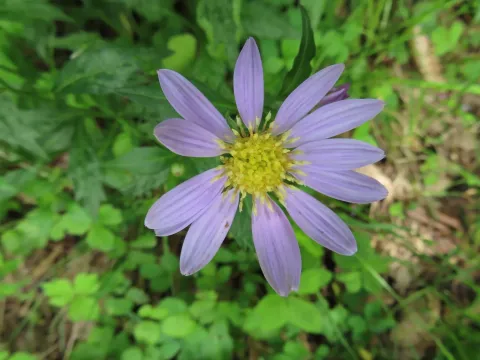
Gymnaster savatieri
Gymnaster savatieri
Gymnaster savatieri is a hardy perennial herbaceous plant belonging to the Asteraceae family. Native to East Asia, specifically regions like Japan and Korea, it is prized for its elegant appearance and ease of maintenance in temperate gardens.
What the section contains
Gymnaster savatieri
The plant thrives in fertile, well-draining soil that retains moderate moisture. While it is adaptable, it prefers partial shade, which protects the foliage from intense heat during the peak of summer, keeping it vibrant throughout the season.
Proper soil preparation is crucial; adding organic matter helps maintain the ideal structure for healthy root development. Neutral to slightly acidic soil conditions are considered optimal for this species to reach its full growth potential.
Watering requirements are moderate. The plant needs consistent hydration during its primary growth cycle, but gardeners must ensure that the site does not become waterlogged to avoid root rot issues.
Regarding climate, this species is noted for its winter hardiness. It can withstand significant temperature drops, making it a reliable choice for cold-climate gardeners looking for long-lasting floral interest in their borders.
Powdery mildew is one of the most common fungal threats to Gymnaster savatieri, especially in areas with high humidity and stagnant air. Proper spacing is essential to ensure adequate airflow around the foliage.
Aphids are typical pests that can cause damage to the developing buds and soft leaves. Early detection and treatment with insecticidal soaps or systemic pesticides are effective ways to manage an infestation.
Spider mites may occasionally occur during extended periods of hot and dry weather. They thrive in dry environments and can cause discoloration and weakening of the plant if left unchecked.
Root rot, driven by poor drainage, remains the most significant threat to plant longevity. Providing a well-drained substrate and avoiding over-watering is the primary defense strategy for this species.
General garden hygiene, such as removing debris and thinning out overcrowded sections of the plant, significantly reduces the likelihood of these common health problems recurring annually.