
Elatostema latifolium
Elatostema latifolium
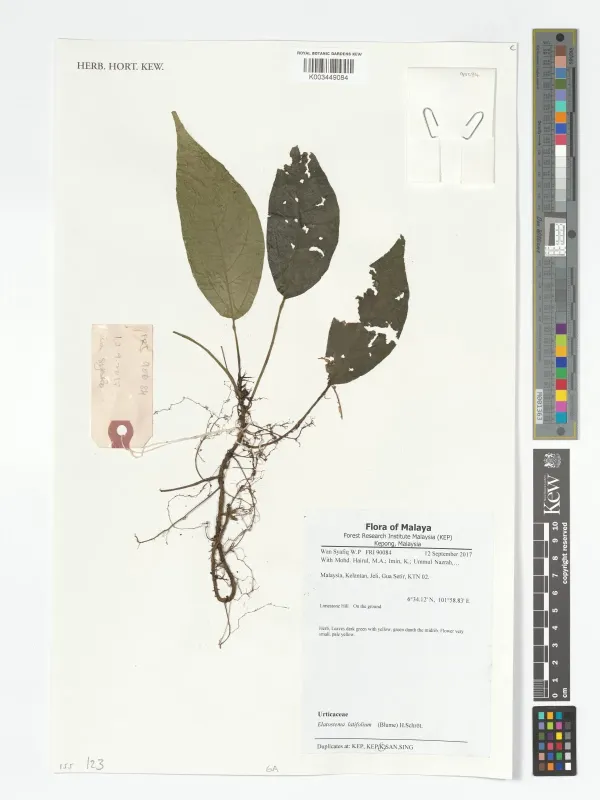
Description
Growing requirements
Elatostema latifolium is a perennial herbaceous plant belonging to the Urticaceae family. Native to the humid tropical forests of Asia, this species has evolved to thrive in shaded, moisture-rich understories, making it a specialized plant for controlled environment agriculture.
The crop requires a stable, warm climate to maintain vigorous growth. Ideal temperatures range between 20 and 25 degrees Celsius, as the plant is highly sensitive to cold stress and frost, which can cause immediate tissue damage and necrosis.
Soil requirements for this species are centered on well-draining, nutrient-dense organic substrates. A porous soil mix that retains moisture without becoming waterlogged is essential for sustaining the root system and preventing hypoxic conditions.
Regarding light, the species is classified as shade-tolerant. High-intensity direct sunlight is detrimental to the foliage, often resulting in chlorophyll degradation and leaf scorch. Indoor cultivation typically requires indirect or filtered light sources.
Maintenance involves frequent monitoring of humidity levels, as the plant prefers atmospheric moisture above 60 percent. Regular nutrient supplementation with nitrogen-balanced fertilizers is recommended during the peak growing season to ensure robust stem development and leaf expansion.
Main diseases and pests
The most significant pathological threats to Elatostema latifolium are soil-borne fungi, particularly Pythium and Rhizoctonia species, which thrive in stagnant water conditions. These pathogens cause stem base decay and root rot, often leading to rapid plant decline.
Pest management is primarily concerned with spider mites and mealybugs, which exploit the plant’s soft, succulent foliage. Effective control strategies involve maintaining proper air circulation and utilizing integrated pest management (IPM) techniques to monitor and mitigate outbreaks.