
Gonostegia hirta
Gonostegia hirta
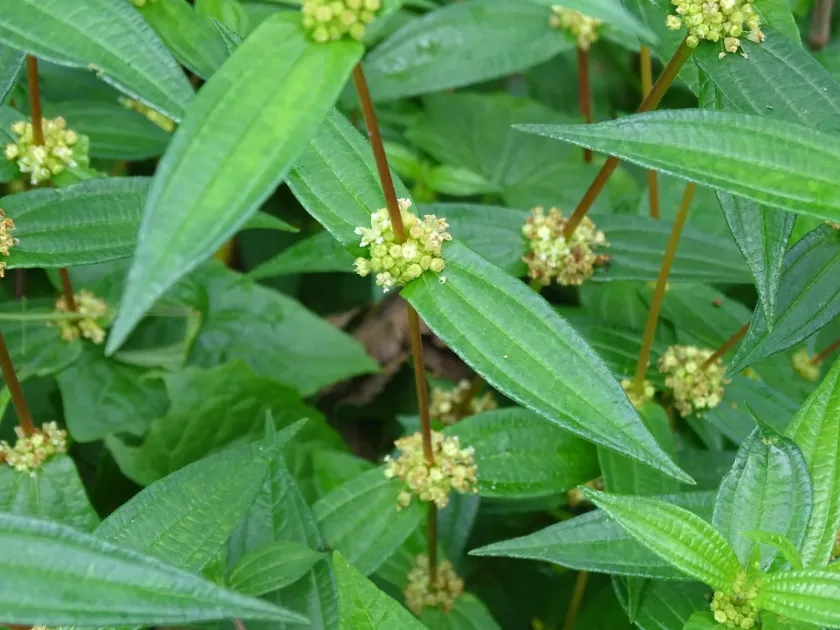
Description
Sowing dates
Gonostegia hirta is a perennial herbaceous plant belonging to the Urticaceae family. Naturally thriving in warm and humid climates, the sowing schedule for this crop should align with periods when the soil temperature consistently reaches 15-18 degrees Celsius.
To ensure successful germination, the substrate must maintain stable moisture levels; therefore, it is recommended to sow the crop in spring once the danger of night frosts has passed. In temperate regions, the optimal window for sowing is late April to early May.
When using a seedling method, sowing should occur 4-6 weeks before the intended transplanting date into open ground. This allows the plants to establish and develop a robust root system, facilitating better adaptation to the permanent growing site.
For direct seeding, it is crucial to maintain a sowing depth of no more than 1-2 centimeters, as Gonostegia seeds are quite small. After sowing, lightly compacting the soil surface helps ensure efficient capillary moisture movement.
Plant density depends on the purpose of cultivation: higher densities are used for biomass production, while lower densities are preferred for seed production to ensure optimal airflow and sunlight penetration for each plant.
Growing requirements
This crop has high demands regarding soil fertility and structure. The ideal conditions for Gonostegia include light loamy or sandy-loam soils with a neutral or slightly acidic pH level.
As a moisture-loving plant, achieving maximum productivity requires regular irrigation, especially during phases of active vegetative growth. However, it is essential to prevent prolonged water stagnation, which can lead to root rot.
Gonostegia prefers well-lit areas, although it can tolerate light shading during the hottest parts of the day. Growing the plant in light-deficient conditions often results in elongated stems and a reduction in the overall nutritional quality of the biomass.
Applying organic fertilizers before sowing significantly improves crop yields. The plant responds well to nitrogen supplements, which promote intensive aerial growth and increase protein accumulation in the leaves.
Routine agronomic maintenance involves regular inter-row cultivation and weed control. This practice improves soil aeration and helps prevent the spread of pathogens within the plant's root zone.
Yield
The primary use of Gonostegia hirta is for green biomass, which possesses high nutritional value for livestock. When proper agricultural practices are followed, the crop can provide multiple cuts within a single growing season.
Biomass yield correlates directly with irrigation management and the availability of essential mineral nutrients. In favorable years with sufficient rainfall, productivity rates increase significantly.
A biological characteristic of the plant is its vigorous regrowth after cutting, allowing for cyclical use of the plantations over several years.
In medicine and pharmacology, extracts from the aerial parts of the plant are utilized for their specific secondary metabolites. Yield in this context is assessed not only by biomass weight but also by the concentration of biologically active compounds.
To maintain high productivity in perennial fields, it is recommended to rejuvenate the plantations every 3-4 years, as natural shoot growth activity tends to decline over time.
Main diseases and pests
Like most members of the Urticaceae family, Gonostegia hirta possesses a degree of natural resistance to several pests; however, the risk of infestation increases in monoculture settings.
Fungal diseases occurring due to excessive humidity and high planting density are the most common issues. These include powdery mildew and various types of root rot.
Among the pests, aphids and spider mites can pose a threat by extracting sap from young leaves and shoots. Their mass proliferation can significantly decrease the volume of marketable production.
Disease prevention involves following crop rotation schedules and avoiding overcrowding. Fungicides should only be applied in early stages, adhering strictly to environmental safety regulations.
Biological control methods are effective against pests, as is the timely removal of infected plant materials to prevent the spread of infection throughout the field.
Harvesting
Harvesting Gonostegia for forage is best conducted at the onset of flowering, when the concentration of nutrients in leaves and stems is at its peak. At this stage, the plant is at its most succulent and is readily consumed by livestock.
For medicinal purposes, the aerial parts should be gathered during the peak flowering period. It is vital to perform the harvest in dry weather to avoid spoilage during the subsequent drying process.
After cutting, the biomass must be transported quickly to the processing or drying facility. Delays can lead to moisture loss, reduced product quality, and the development of mold fungi.
Mechanized harvesting with forage harvesters is common if the goal is silage production. The cutting height should be sufficient to prevent damage to the root crown, ensuring successful regrowth.
Post-harvest processing involves cleaning to remove foreign impurities and drying in shaded, well-ventilated areas. This preserves the biological integrity of the plant and prevents the degradation of active compounds by direct sunlight.