
Gonostegia pentandra
Gonostegia pentandra
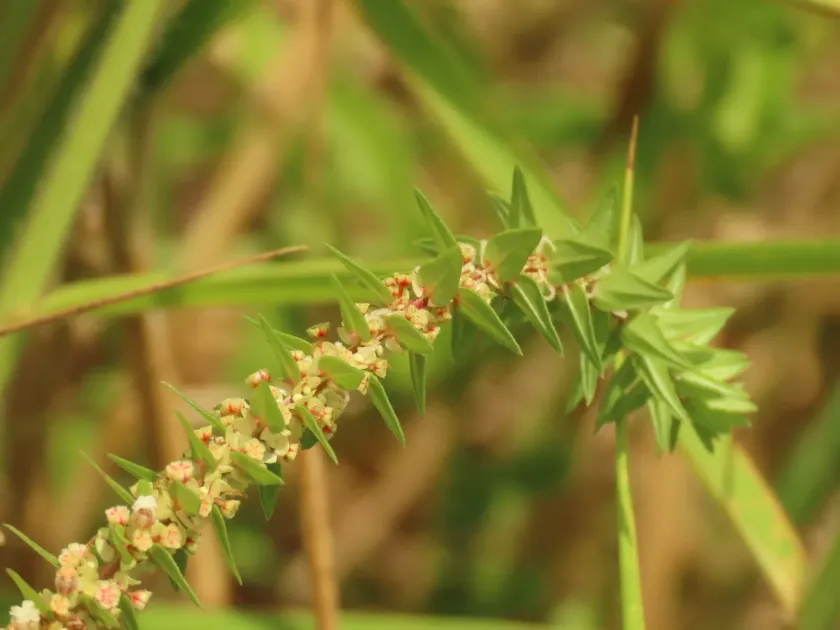
Description
Sowing dates
Gonostegia pentandra, a member of the Urticaceae family, is recognized in tropical agriculture for its potential as a forage crop. Sowing is typically scheduled at the beginning of the rainy season to capitalize on moisture for optimal germination.
Seeds should be sown at a shallow depth of 1-2 centimeters. This ensures that the seedlings have enough energy to emerge from the soil while maintaining adequate contact with the moist substrate for consistent water uptake.
Propagation via cuttings is a common and highly effective method for establishing new plantations. Cuttings allow for uniform crop development and significantly shorten the timeframe required for the first harvest.
Optimal spacing of 30-40 centimeters between rows prevents inter-plant competition. This spatial arrangement ensures that each plant receives sufficient light and soil nutrients, fostering robust biomass production.
Pre-planting soil preparation, including thorough tilling and the incorporation of organic matter, is essential. The crop responds exceptionally well to nitrogen-rich fertilizers and compost, which improve soil structure.
Growing requirements
Being a tropical species, Gonostegia pentandra thrives in warm and humid environments. It requires steady, high temperatures throughout the growing cycle and is highly sensitive to frost or cold snaps.
The plant prefers well-drained, fertile soils. While it exhibits some tolerance to moisture, waterlogged soils must be avoided as they significantly increase the risk of root rot and plant mortality.
Abundant sunlight is necessary for peak biomass development. Although the plant can survive in partial shade, optimal growth rates are achieved in full sun exposure, which maximizes photosynthetic efficiency.
The soil pH should ideally be in the range of 6.0 to 7.0. Soils that are too acidic or too alkaline can hinder nutrient uptake, requiring adjustments such as liming or the addition of soil amendments.
While the plant is somewhat drought-tolerant once established, consistent moisture is vital during the early vegetative stages. Supplemental irrigation may be required in regions with irregular rainfall patterns.
Yield
Gonostegia pentandra is highly valued for its regenerative capacity, allowing for multiple harvests within a single growing season. This makes it an efficient forage choice for tropical livestock production.
Total yields are heavily dependent on nitrogen management and irrigation. Regular fertilization practices combined with sufficient water ensure rapid regrowth after each cutting cycle, maximizing output per hectare.
The nutritional profile of the harvested biomass is characterized by high protein and fiber content. It serves as a reliable energy source for cattle and small ruminants in regions where traditional grasses may struggle.
The optimal harvest window occurs during the active vegetative growth phase, prior to the onset of mass flowering. This ensures the best balance between biomass quantity and feed digestibility.
Data indicates that a 45-60 day harvesting cycle is ideal for maintaining the plants in a vegetative state, which improves both the recovery time and the quality of the fodder produced.
Main diseases and pests
Fungal diseases represent the primary threat to Gonostegia pentandra, particularly under high humidity conditions. Leaf spots and stem rots can rapidly decrease the quality and quantity of the harvestable biomass.
Pests such as aphids and various leaf-eating insects can cause significant damage. Early detection through field monitoring is crucial to prevent infestations from reaching thresholds that impact growth.
Implementing crop rotation is the most effective cultural practice to suppress soil-borne pathogens. Rotating the land with non-Urticaceae crops helps break the lifecycle of specific plant-related diseases.
The use of chemical pesticides should be strictly limited to prevent chemical residue in animal feed. Biological control agents, such as beneficial insects or microbial fungicides, are preferred for sustainable management.
Maintaining proper field density is a key preventive strategy. Overcrowding inhibits airflow and increases moisture retention around the base of the plants, creating a microclimate favorable to pathogen outbreaks.
Harvesting
Harvesting is performed by mechanical or manual mowing. The use of sharp cutting equipment is mandatory to ensure clean cuts, which stimulate rapid tissue healing and vigorous regrowth of new stems.
Mowing should be carried out during the morning hours once the dew has evaporated. This practice reduces the moisture content slightly, making the biomass easier to handle and transport immediately after harvest.
Post-harvest handling is critical to preserve nutritional quality. If the biomass is to be ensiled, it should be processed promptly; if dried, it should be kept under cover to prevent spoilage and nutrient leaching.
Avoiding overly mature plants is essential, as the stems become lignified and harder to digest over time. Younger stems provide higher palatability and better intake rates for livestock.
Proper storage of dried forage in well-ventilated areas is necessary to prevent the growth of molds and fungi. Maintaining low moisture levels is the key to achieving long-term shelf stability for animal feed.