
Rice flower
Pimelea linifolia Sm.
Description
Growing requirements
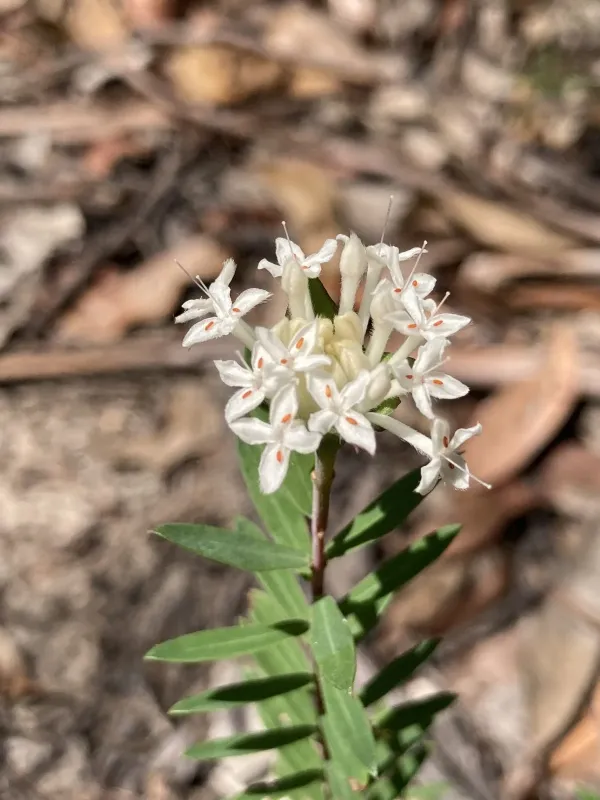
Pimelea linifolia, commonly referred to as the Rice flower, is an evergreen shrub belonging to the Thymelaeaceae family. Native to Australia, it is widespread across various habitats, including coastal heaths and dry sclerophyll forests, which has shaped its robust biological profile.
The plant requires well-draining soil to thrive, as its root system is highly susceptible to rot in waterlogged conditions. It is specifically adapted to soils low in nutrients, particularly phosphorus; therefore, high-phosphorus fertilizers can cause significant physiological damage to the specimen.
Regarding light, Pimelea linifolia prefers full sun exposure to maintain its compact growth habit and dense flowering. However, in regions with intense summer heat, partial shade is beneficial to protect the foliage from sunscald and excessive dehydration.
The cultural management of this plant involves precise irrigation. While it shows resilience to dry spells once established, consistent moisture is necessary during the plant's first year of growth to ensure successful root establishment and healthy development.
In landscaping, this species is highly valued for its clusters of white or pink-tinged flowers that bloom throughout the warmer months. It is an excellent choice for rock gardens and native plant displays, contributing to biodiversity by supporting local pollinator populations.
Main diseases and pests
Root rot caused by Phytophthora species represents the most significant threat to Pimelea linifolia in agricultural and garden settings. Preventive measures focus primarily on improving drainage and avoiding the introduction of contaminated soil or plant material.
Pests such as aphids and spider mites are common concerns during dry periods. Effective management includes monitoring foliage for early signs of infestation and applying horticultural oils or soaps if the population threshold is exceeded, ensuring plant health remains stable.