
Pimelea ciliata
Pimelea ciliata Rye
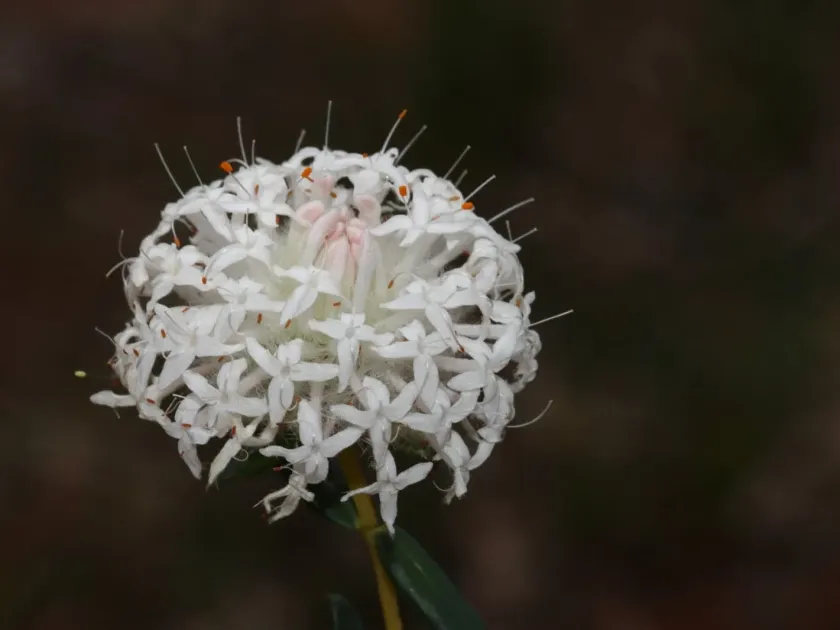
Description
Growing requirements
Pimelea ciliata is a member of the Thymelaeaceae family, native to the southwestern regions of Western Australia. It is a perennial shrub that thrives in specific ecological niches characterized by Mediterranean-type climates.
The plant requires well-drained, sandy or gravelly soils to prevent root rot, which is a common issue for many native Australian species. It is well-adapted to nutrient-poor soils and does not require intensive fertilization.
Botanically, it is a low-growing shrub, typically ranging between 20 to 50 cm in height. The foliage is noted for the ciliate margins on the leaves, which serve as an adaptation to reduce transpiration in dry environments.
This species demands full sun exposure to maintain its compact form and to stimulate prolific flowering. Inadequate light results in etiolation and a significant reduction in the plant's overall decorative quality.
Climatic requirements involve a balance between mild, moist winters and dry, warm summers. As a drought-tolerant plant, it is susceptible to damage if irrigation is excessive or if the soil lacks proper structure.
Main diseases and pests
The most significant threat to Pimelea ciliata is the soil-borne pathogen Phytophthora, which causes rapid root and crown rot. Preventing waterlogging is the primary defense strategy against this incurable disease.
Spider mites are common pests that attack the foliage under conditions of low humidity and high temperatures. They damage the leaf tissue, leading to discoloration and a decline in the plant's health.
Fungal infections such as Botrytis may occur during periods of high humidity and poor air circulation. These infections manifest as soft, rotting patches on stems and flowers, which must be pruned immediately.
Scale insects can also impact the plant by feeding on the sap, leading to stunted growth. Regular monitoring of the stems and the undersides of leaves helps in detecting early infestations for easier management.
Effective management includes maintaining optimal plant spacing to promote airflow, avoiding overhead irrigation that leaves foliage wet for extended periods, and adhering to strict horticultural hygiene practices.