
Rice Flower
Pimelea ferruginea Labill.
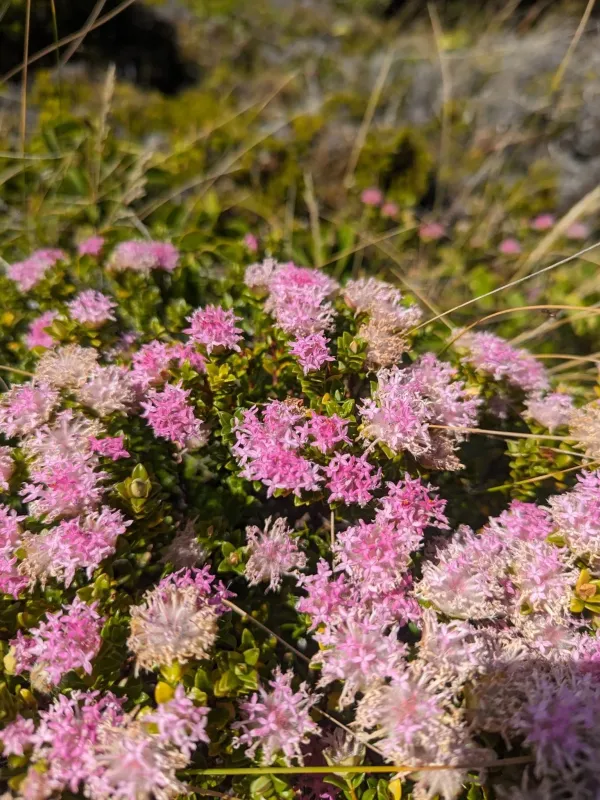
Description
Sowing dates
Propagation of Pimelea ferruginea is primarily performed through stem cuttings to ensure the preservation of varietal characteristics. Cuttings should be taken from semi-hardwood growth, typically in late summer or early autumn.
A sterile, well-draining potting medium consisting of coarse sand and peat moss is essential for rooting. Using rooting hormone powder can significantly improve the success rate of propagation efforts.
Cuttings require a stable environment with consistent humidity and temperatures around 18–20 degrees Celsius. Excessive heat or moisture must be avoided to prevent rotting before the roots are fully established.
Once a robust root system has developed, the cuttings should be gradually acclimated to lower humidity levels before being transplanted into larger individual containers or permanent growing spots.
Spring is the ideal season for planting established specimens into the field, as the soil temperature is rising, allowing for better root establishment before the onset of extreme summer conditions.
Growing requirements
Rice Flower (Pimelea ferruginea) is an ornamental evergreen shrub belonging to the Thymelaeaceae family. It is native to the coastal regions of Western Australia and thrives in maritime climates.
This plant requires full sun to partial shade, with a preference for locations where it receives direct sunlight for at least half of the day. Proper light exposure is critical for the density of the foliage and the quality of blooms.
Soil requirements are strict: the medium must be exceptionally well-drained. In native habitats, the plant grows in sandy, nutrient-poor soils, making it highly susceptible to root damage in heavy clay or waterlogged soils.
Watering should be balanced. While the plant requires moisture during its active growth phase, it is highly sensitive to waterlogging. It is recommended to allow the top layer of soil to dry out significantly between watering intervals.
The plant is not frost-hardy and should be protected from temperatures below freezing. In colder climates, it is often treated as a container plant that is moved indoors during the winter months.
Main diseases and pests
Root rot is the most common cause of mortality for this species. It is triggered by soil fungi such as Phytophthora, which thrive in stagnant water conditions. Preventive measures include ensuring superior drainage and avoiding over-irrigation.
Pests such as aphids and mealybugs frequently target the succulent parts of the plant, specifically the flower buds and young shoots. These pests can significantly reduce the ornamental value of the shrub.
Spider mites are another major concern, especially in warm, dry greenhouse environments. They cause stippling and discolouration on the leaves, leading to eventual leaf drop if the infestation remains uncontrolled.
Integrated Pest Management (IPM) is recommended to control these threats. This includes monitoring for early signs of infestation and using biological control methods or selective pesticides when necessary.
- Use of high-quality, sterilized substrates.
- Regular pruning to improve air circulation.
- Avoiding excessive fertilizer applications.
- Monitoring for pests in early spring.