
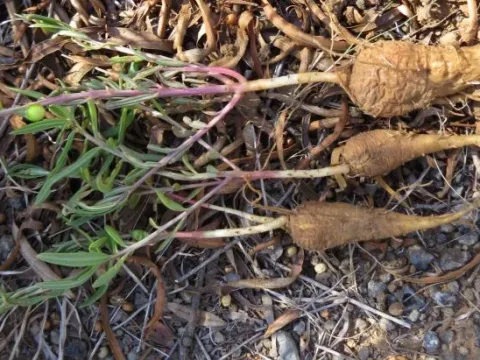
Talinum caffrum
Talinum caffrum
Talinum caffrum is primarily propagated through seeds cultivated in a controlled environment. The optimal period for sowing is early spring to ensure the seedlings receive adequate light as they transition into their active growth phase.
What the section contains
Talinum caffrum
Seeds should be sown in a well-draining, sandy substrate. Since the seeds require light for germination, they must be covered only with a very thin layer of vermiculite rather than deep soil burial.
Maintaining a temperature range between 22 and 25 degrees Celsius is critical for success. The medium must be kept slightly moist, but great care is taken to avoid waterlogging, which is detrimental to the delicate germinating seeds.
Once seedlings develop their first true leaves, they are pricked into individual containers. The use of porous pots with excellent drainage capacity is essential to support the long-term health of the plant's root system.
Acclimatization to outdoor conditions should be a gradual process, occurring only after all risks of frost have passed. These plants require a stable, warm environment to thrive after the transplant stage.
Belonging to the Talinaceae family, Talinum caffrum is a perennial herb characterized by its distinct caudex, which serves as a vital storage organ for water. This species is native to the arid regions of Southern Africa.
The plant thrives under intense sunlight and prefers warm climatic conditions. Lack of sufficient light leads to etiolation, where the plant loses its natural compact shape and its ability to store nutrients effectively.
Soil requirements focus on extreme drainage. A mixture of gravel, sand, and small amounts of loam provides the best substrate for healthy root growth. Soil acidity should be neutral to slightly acidic.
Watering protocols must mimic the natural rhythm of wet and dry seasons. During the growing season, water only when the soil has dried out completely. In winter, the plant enters a dormancy period and requires minimal moisture.
Good air circulation is a key factor in keeping the caudex healthy. Stagnant air combined with high humidity is the most common cause of root and stem rot in these specialized succulent species.
The agricultural use of Talinum caffrum centers on its fleshy leaves and starchy roots. Harvests of foliage are conducted throughout the growing season, selecting young leaves for better texture and flavor.
Root harvesting is performed on mature plants. Due to the high starch content, these are often utilized in regional cuisines after undergoing thorough cooking processes to neutralize any bitter compounds.
Post-harvest handling is critical, as the leaves possess a high water content and perish quickly. Fresh foliage is consumed immediately, while roots can be cleaned and stored in a cool, dry place for future preparation.
Current research investigates the potential of this plant as a drought-resistant food source. Ongoing trials aim to improve yield density in controlled agricultural settings.
Aside from food applications, the plant holds interest for its potential bioactive compounds. Studies continue to explore the pharmacological properties of extracts derived from both the leaves and the caudex.
Fungal infections are the most significant threat to Talinum caffrum, typically caused by overwatering or poor drainage. These infections often target the caudex, leading to rapid tissue decay.
Mealybugs are the primary pest concern. They frequently infest the leaf axils and the base of the plant, where they feed on plant sap and potentially introduce secondary viral or bacterial infections.
Spider mites can occur in dry, indoor environments with inadequate airflow. Early signs include fine webbing and discolored, speckled leaves, which indicate the need for immediate intervention.
Integrated pest management strategies are recommended, focusing on physical removal and the application of organic insecticidal soaps. Harsh chemicals should be avoided on parts intended for consumption.
Prevention relies heavily on proper maintenance of the growing environment. Ensuring that the substrate remains aerated and that the plant receives adequate exposure to natural light prevents most common health issues.