
Talinum portulacifolium
Talinum portulacifolium
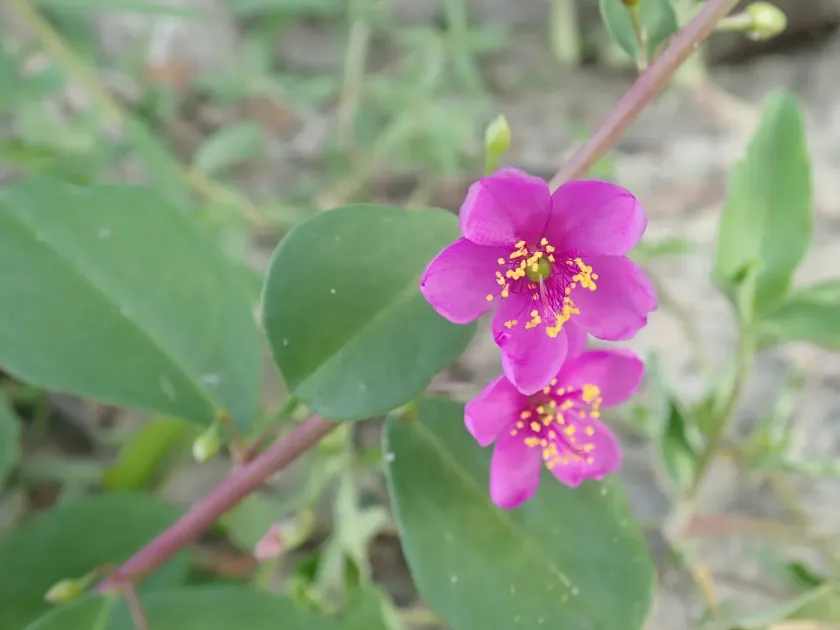
Description
Sowing dates
Talinum portulacifolium is a warm-season crop, requiring stable high temperatures for germination, typically sown in protected environments in cooler zones.
In tropical and subtropical regions, direct sowing into the open field is performed at the onset of the wet season or after soil warms up to 20°C.
The seeds are notably small, necessitating shallow placement in the soil to ensure adequate light exposure, which is essential for uniform germination.
Seedlings raised in nursery conditions should be transplanted to their permanent location once they reach a height of approximately 10–15 cm.
Maintaining high humidity and moisture levels during the germination phase is critical for achieving optimal emergence rates of the crop.
Growing requirements
As a member of the Talinaceae family, this plant thrives under full sun exposure and is highly adapted to intense light conditions typical of its native range.
Well-drained soil is mandatory, as the plant is sensitive to waterlogging, which can rapidly compromise its succulent root system and general health.
The crop exhibits remarkable drought tolerance, functioning effectively in arid conditions by storing moisture within its thick, fleshy leaves.
Temperatures ranging from 22°C to 30°C are ideal for the physiological development of the plant, while frost must be strictly avoided.
Applying balanced organic fertilizers during the early growth stage significantly boosts biomass production and ensures a higher nutrient content in the leaves.
Yield
The yield of Talinum portulacifolium is primarily measured by the continuous production of edible leaves, which regenerate quickly after repeated harvesting.
The plant serves as a significant leafy vegetable source, especially in tropical agriculture where other cool-season greens fail to thrive.
Robust root growth allows the plant to sustain productivity over an extended period, making it a reliable source of nutrition throughout the growing cycle.
Compared to other leafy greens, this crop offers a higher caloric density and mineral content, contributing to its value as a food security plant.
With correct planting density and proper irrigation, growers can achieve high yields, making it a viable crop for commercial small-scale operations.
Main diseases and pests
The primary agricultural threat involves high soil moisture levels, which often lead to fungal pathogens affecting the root system and plant collar.
Pests such as aphids and spider mites can infest the soft terminal shoots, particularly in enclosed spaces with insufficient air movement.
Snails and slugs are common garden pests that feed on the succulent foliage, requiring preventative management practices to protect the crop.
Bacterial diseases are less frequent but can occur under prolonged rainy conditions, necessitating good crop rotation and field sanitation practices.
- Improving soil drainage systems.
- Implementing Integrated Pest Management (IPM).
- Maintaining proper plant spacing to allow airflow.
Harvesting
Harvesting usually begins 8–12 weeks post-sowing, focusing on picking mature leaves or terminal shoots to encourage the plant to branch out further.
Continuous harvesting promotes vegetative growth, effectively turning the plant into a multi-cut crop that yields throughout the entire season.
Morning harvesting is recommended to ensure that the produce is crisp and hydrated, which improves its post-harvest longevity and marketability.
Due to the succulent nature of the leaves, post-harvest cooling is essential to prevent wilting and maintain the nutritional integrity of the green leaves.
Processed produce should be handled gently to avoid bruising, as damaged tissues are prone to rapid decay in high-temperature environments.