
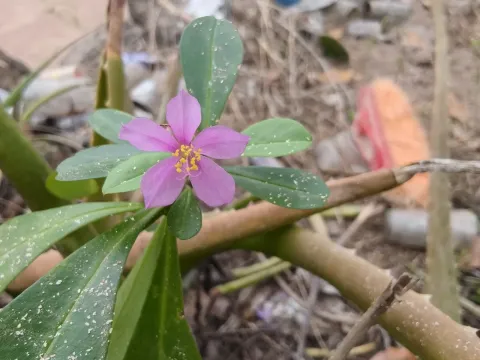
Talinum
Talinum
Talinum, specifically Talinum paniculatum, is a heat-loving crop. Sowing seeds in temperate climates is typically done in March or April to ensure a sufficient growing season before the arrival of autumn cold.
What the section contains


Talinum
In regions with a warmer climate, seeds are sown directly into the open ground once the soil has warmed up to at least 15–18 degrees Celsius. It is crucial to remember that this crop is sensitive to frost, so early planting can be detrimental to young seedlings.
When sowing, distribute seeds over the surface of loose, fertile soil and cover them lightly with a substrate, as they require a small amount of light to germinate. An optimal planting scheme allows for 20–30 cm of space between individual plants.
To speed up germination, seed containers can be covered with plastic or glass to create a greenhouse effect. Regular ventilation is necessary to prevent the development of fungal diseases during the seedling stage.
Transplanting seedlings to their permanent location should only occur once stable, warm weather is established and the threat of low nighttime temperatures, which significantly hinder growth, has passed.
This crop belongs to the Talinaceae family and is valued for its high adaptability to arid conditions. The plant prefers well-lit areas with direct sunlight, which promotes the accumulation of significant vegetative biomass.
Talinum is not demanding regarding soil composition, but it shows the best growth performance in well-drained, light sandy or loamy soils. Waterlogging is fatal, as the root system is prone to rotting when exposed to excess moisture.
The crop is highly tolerant of the high temperatures characteristic of tropical and subtropical zones. In temperate climates, it is important to provide protection against strong winds and sudden drops in temperature.
Water requirements are moderate: despite the succulent nature of the leaves, regular irrigation is essential for producing high-quality edible greens, especially during the active growth phase of the aerial parts.
The plant develops successfully with moderate applications of organic fertilizers. Excess nitrogen fertilization should be avoided, as it can lead to excessive stem elongation and a reduction in the flavor quality of the edible leaves.
The economic value of Talinum lies in the use of its fleshy leaves and stems as a nutritious leafy vegetable, rich in vitamins and minerals. Productivity depends on light intensity and the regularity of the harvesting process.
By systematically pinching off the tops, the plant begins to branch actively, which significantly increases the total mass of greens harvested throughout the season. Multiple harvest cycles can be performed within a single growing period.
Yields in commercial settings or private gardens are often comparable to other leafy greens like spinach; however, Talinum surpasses them in its resilience to summer heat and drought conditions.
The plant has a very high seed productivity rate. By allowing a few specimens to mature fully, farmers can obtain a significant volume of seed material for subsequent growing seasons.
Proper agricultural management allows for a stable harvest until the first autumn frosts, at which point the plant's growth slows down and it transitions into the flowering and fruiting stage.
The primary threats to Talinum include pests common to succulent leafy crops. Aphids and various types of caterpillars cause the most damage, as they feed on tender leaf tissues and hinder overall plant development.
In conditions of high soil or air humidity, the development of root rots and leaf spots caused by fungal pathogens is possible. Effective control measures include maintaining proper irrigation schedules and ensuring adequate air circulation.
Slugs and snails can pose a serious threat to young plants during rainy periods. To protect the crops, both physical barriers and specialized organic control agents are used.
Viral infections are rare but can be transmitted by insect pests. It is recommended to use only certified seed material and to remove any plants exhibiting signs of deformation immediately.
When pests are detected, preference is given to biological control methods to maintain the ecological purity of the leafy produce intended for human consumption.
Harvesting begins 40–60 days after the seedlings emerge. Young leaves and stem tips are the most tender and are suitable for fresh consumption in salads or for use in cooked dishes.
The harvesting technique involves carefully trimming the upper parts of the stems. By leaving the lower portion with several nodes intact, gardeners can stimulate the growth of side shoots for subsequent harvests.
Harvesting is best performed in the early morning hours, when the moisture content in the plant tissues is at its highest. This ensures better preservation of the produce's appearance and taste after harvest.
For long-term storage, freshly harvested produce must be cooled quickly. Talinum leaves are sensitive to mechanical damage, so they should be placed in containers carefully without excessive packing or compression.
In commercial settings, harvesting can be mechanized, although manual picking remains the preferred method for maintaining high produce quality and preventing damage to the base of the plant cluster.