
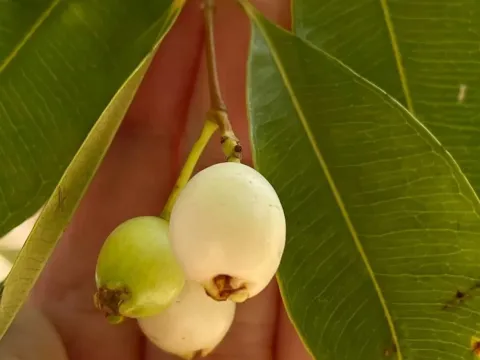
Syzygium cerasiforme
Syzygium cerasiforme
Syzygium cerasiforme is an evergreen fruit-bearing tree belonging to the Myrtaceae family. Known for its lush foliage and distinct fruit, it thrives in tropical environments, providing both ecological value and potential agricultural benefits in suitable climates.
What the section contains
Syzygium cerasiforme
The plant originates from the tropical regions of Southeast Asia and Australia, where it is found in diverse habitats ranging from rainforest understories to more open forest fringes. It thrives in humid conditions and requires a frost-free environment to maintain its health and productivity.
Soil requirements for this species include well-draining, nutrient-rich substrates. It is particularly sensitive to waterlogged conditions, which can lead to rapid root decline, so ensuring proper drainage is a critical aspect of site preparation.
In terms of light, the species performs best in bright, indirect sunlight. While mature trees can handle some direct exposure, younger plants require partial shade to protect the leaves from excessive transpiration and scorching.
Proper agronomic management involves regular fertilization programs during the growing season. Nitrogen-rich fertilizers promote vegetative growth, while phosphorus and potassium are essential for supporting the reproductive phase and fruit development.
The crop is susceptible to common sap-sucking insects, including mealybugs and scale insects. These pests can significantly weaken the tree if not addressed promptly through mechanical removal or targeted insecticide application.
Fungal pathogens such as leaf spot and anthracnose are frequently observed in high-humidity environments. Improving canopy airflow and minimizing overhead watering can effectively reduce the incidence of these diseases.
Root rot caused by Phytophthora species is a major threat in poorly drained soils. Maintaining proper soil moisture levels and avoiding over-irrigation are vital strategies for long-term tree viability.
Spider mites represent a concern in drier, greenhouse-like conditions. Regular misting and maintenance of optimal humidity levels are simple yet effective ways to deter these arachnid pests from colonizing the tree.
Bacterial blight can also impact plant health, particularly in nurseries or high-density plantings. Sanitation of tools and removal of infected debris are essential practices to stop the spread of infection throughout the grove.