
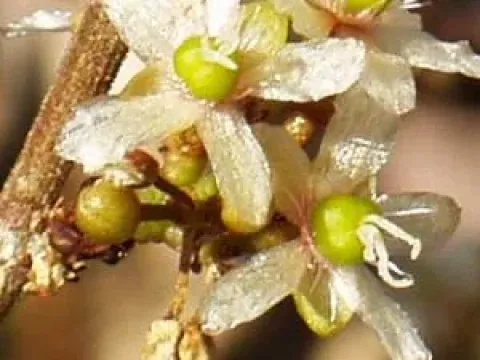
Talinella
Talinella
Talinella is a genus of succulent plants belonging to the Talinaceae family. These plants are native to Madagascar and exhibit specific growth patterns adapted to the tropical climate of the island, often developing into sturdy shrubs or subshrubs.
What the section contains

Talinella
The botanical structure of Talinella is defined by fleshy leaves and stems that function as water reservoirs. This biological trait is an evolutionary adaptation that allows the plant to survive in environments where water availability is inconsistent throughout the year.
Regarding climate requirements, Talinella prefers bright but filtered light. Exposure to intense, direct tropical sunlight without proper acclimatization may lead to leaf chlorosis or tissue damage, making light management a crucial aspect of their cultivation.
The choice of soil is paramount for the health of Talinella. A highly porous and well-draining substrate is required to prevent water stagnation around the roots. Growers typically use grit, sand, and organic matter in a precise ratio to ensure aeration.
Temperature management should mimic the natural cycle of the habitat. During the active growth season, stable temperatures are preferred, while a period of lower temperatures during dormancy helps to stimulate the plant's natural health and potential flowering.
The most significant threat to Talinella is root rot, caused primarily by overwatering and poor drainage. Once root decay starts, it can quickly spread to the stems, making it very difficult to recover the plant once the damage is advanced.
Pest management focuses largely on controlling mealybugs, which are notorious for hiding in the dense foliage of succulents. These insects deplete the plant's sap and can attract secondary fungal infections if left untreated.
Spider mites are another common issue in indoor settings, particularly during dry winter months. They thrive in low humidity and can be identified by fine webbing on the leaves, which significantly impacts the aesthetic and physiological health of the plant.
Integrated pest management is recommended, utilizing insecticidal soaps or specific horticultural oils to deal with infestations while being gentle on the succulent tissues.
Finally, maintaining good air circulation is a simple yet effective way to prevent most diseases. Proper spacing between plants and regular ventilation significantly reduce the risk of mold and bacterial colonization.