
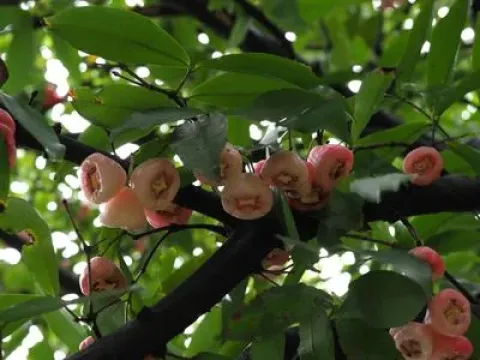
Syzygium javanicum
Syzygium javanicum
Syzygium javanicum, commonly known as the Java apple or wax apple, belongs to the Myrtaceae family. This evergreen tree is native to tropical regions of Southeast Asia, where it thrives in warm and humid environments with high precipitation throughout the year.
What the section contains
Syzygium javanicum
The tree requires a tropical climate to grow effectively, as it is highly sensitive to frost and cold winds. It performs best in regions where temperatures remain consistently warm, making it a staple fruit crop in many tropical landscapes and orchards.
Regarding soil requirements, Syzygium javanicum prefers deep, fertile, and well-drained loamy soils. Although it can adapt to various soil types, maintaining a steady level of organic matter is crucial for the tree's health and its ability to produce high-quality yields.
Water management is a fundamental aspect of the tree's care due to its natural inclination toward high moisture levels. Regular irrigation is required to maintain soil dampness, although it is essential to prevent waterlogging, which can easily trigger root rot.
The plant thrives in full sun, which is necessary for vigorous growth and optimal fruit production. While young saplings may benefit from light shade, mature trees should be positioned in open areas to maximize sunlight exposure and promote healthy canopy development.
The fruit of Syzygium javanicum is bell-shaped and highly valued for its crisp, refreshing, and slightly sweet flesh. These fruits are popular as fresh snacks and are widely used in salads, juices, and various culinary preparations across Asian markets.
Economic potential of this crop is significant in its native range, where it is frequently cultivated for local markets and small-scale exports. The tree is known for its ability to bear multiple crops per year under favorable environmental conditions.
To maximize yields, proper pruning is essential to maintain an open canopy structure, which ensures that light reaches inner branches. Routine fertilization, focusing on potassium and micronutrients, further supports the development of heavy, uniform fruit clusters.
The wood of the tree is dense and durable, sometimes utilized for local tool handles or small-scale woodwork, although its primary value remains the fruit production. Its attractive appearance makes it a dual-purpose tree suitable for both food production and garden aesthetics.
Post-harvest handling is critical as the fruits have a relatively short shelf life due to their thin skin and high water content. Proper storage and quick transport to markets are necessary to preserve the quality and market value of the harvested produce.
Common diseases affecting Syzygium javanicum include various fungal leaf spots that flourish in high-humidity conditions. Maintaining proper spacing between trees and removing dead foliage are effective cultural practices to reduce the incidence of these infections.
Pests such as aphids, mealybugs, and scale insects often target the tender new growth of the tree. Integrated pest management strategies, utilizing beneficial insects or organic sprays, are recommended to maintain plant vigor without harming the fruit quality.
Root-knot nematodes can be a limiting factor in some soil types, potentially reducing the overall health and yield of the orchard. Incorporating organic amendments into the soil and practicing crop rotation can help mitigate these soil-borne threats.
Birds and bats are frequent visitors to fruiting trees and can cause significant damage to the crop. Using netting or protective covers during the final stages of fruit ripening is an effective deterrent to protect the harvest until it is ready for picking.
Good agricultural practices, including balanced fertilization and avoiding overhead irrigation during peak disease risk periods, contribute significantly to the plant's resistance. A healthy, well-cared-for tree is naturally better equipped to withstand environmental stress and pest pressure.