
Bowkeria
Bowkeria
Bowkeria is a genus of evergreen shrubs and small trees classified within the Scrophulariaceae family. These plants are native to southern Africa, where they have evolved to thrive in various habitats ranging from mountainous woodland margins to sun-drenched rocky slopes.
What the section contains


Bowkeria
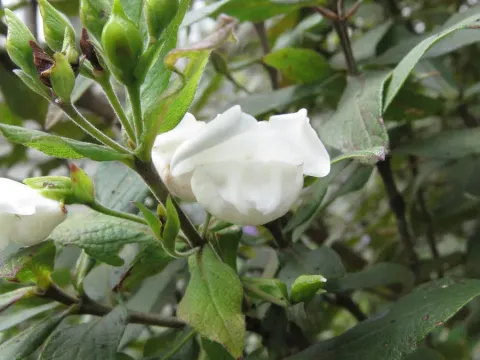
Botanically, Bowkeria is recognized by its distinctively shaped, often white or cream-colored flowers that possess a unique structure, making them highly attractive to pollinators. The foliage is typically leathery and dark green, providing a permanent backdrop for the floral display during the blooming season.
Success in cultivating Bowkeria requires well-drained, nutrient-rich soil. The plant does not tolerate waterlogged conditions, which can lead to root rot; therefore, selecting a site with excellent drainage or adding organic matter to improve soil texture is essential for long-term health.
These plants are best suited for mild climates, as they are not hardy against severe or prolonged frost. In regions with harsher winters, gardeners must grow Bowkeria in containers and provide sheltered conditions during the colder months to prevent cold damage to the root system and foliage.
Cultural care involves maintaining consistent moisture levels during the active growth phase, though mature specimens can withstand brief periods of drought. Annual pruning after flowering is recommended to maintain a compact habit and encourage a denser distribution of flowers in the following season.
Fungal pathogens such as leaf spot or powdery mildew can become problematic if the plant is grown in areas with poor airflow or high humidity. Promoting good air circulation through proper spacing and pruning is the most effective management strategy against these diseases.
Common horticultural pests like aphids and scale insects may infest the tender new growth of the plant. Regular inspection is advised, and if pest populations exceed thresholds, appropriate horticultural soaps or systemic insecticides should be utilized to manage the infestation safely.