
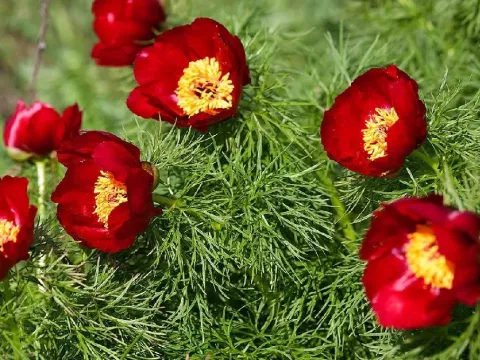
Steppe Peony
Paeonia hybrida
The Steppe Peony (Paeonia hybrida) is a remarkable member of the Paeoniaceae family. It is a perennial plant characterized by its ability to thrive in open, grassy habitats with minimal maintenance once established.
What the section contains
Steppe Peony
Originating from the steppe regions of Eurasia, this plant has evolved to survive in areas with distinct seasonal changes. It is particularly well-adapted to environments that experience high light intensity throughout the growing season.
To ensure healthy development, the Steppe Peony requires soil with excellent drainage. Heavy clay soils that tend to trap water are unsuitable, as they significantly increase the risk of crown rot and root suffocation during winter.
Climate tolerance is one of the key strengths of this species. It is highly winter-hardy and requires a period of dormancy in colder temperatures to stimulate proper bud initiation for the following year's flowering cycle.
Cultural practices should focus on maintaining a clean environment around the plant. Regular weed removal is essential during the spring growth phase to prevent competition for nutrients and ensure proper air circulation at the base of the plant.
Botrytis blight (gray mold) is the most prevalent disease affecting the Steppe Peony. It is primarily triggered by humid and stagnant air conditions, leading to the rapid decay of stems and flower buds.
Rust infections can also occur, appearing as reddish-brown pustules on the foliage. While usually not fatal, heavy infestations can weaken the plant and reduce its aesthetic appeal before the autumn dormancy period begins.
Pest problems typically include aphids and thrips, which congregate on the soft tissue of new shoots and developing buds. These insects can cause significant stunted growth if not managed promptly with suitable horticultural soaps.
Root-knot nematodes are a significant underground threat that can lead to a decline in plant vigor. Prevention is largely based on selecting healthy, disease-free starting material and maintaining overall soil hygiene.
- Maintain adequate spacing between plants to prevent fungal spread.
- Avoid overhead irrigation to keep the foliage as dry as possible.
- Practice thorough sanitation by removing and destroying old foliage every autumn.