
Stiff sunflower
Helianthus pauciflorus
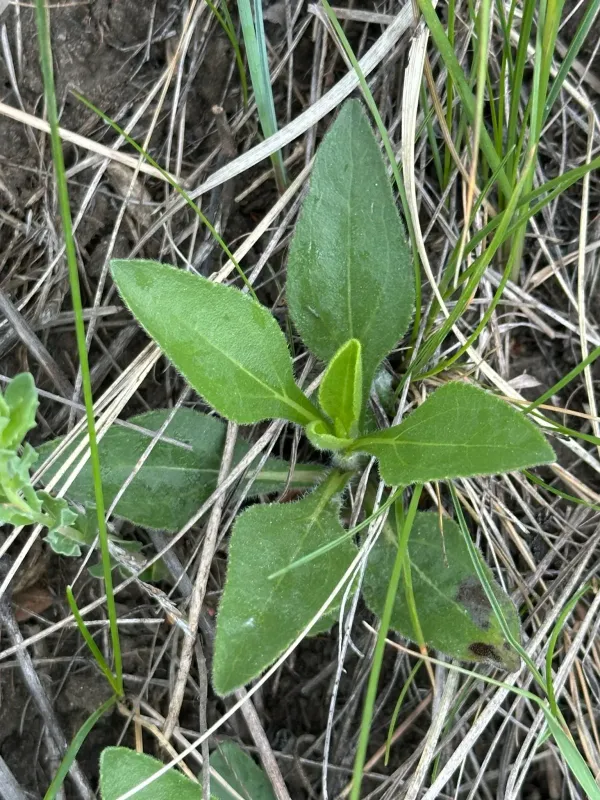
Description
Sowing dates
Stiff sunflower (Helianthus pauciflorus) is a perennial plant typically established from seeds or vegetative divisions. Sowing is best performed in the early spring, once the soil has warmed sufficiently to support germination, usually between 10 and 15 degrees Celsius.
For agricultural or ecological restoration purposes, seeds should be sown at a depth of approximately 1 to 2 centimeters. Because this plant spreads via rhizomes, spacing should account for its potential to form dense, expansive colonies over time.
The establishment phase requires consistent moisture; however, once the root system is well-developed, the plant shows remarkable resilience. In the first year, focusing on weed control is essential to ensure that young sunflowers are not outcompeted by aggressive annual weeds.
This species is native to the prairies and is highly adapted to direct seeding methods. Using a specialized seed drill for prairie restoration allows for accurate seed placement and improves the chances of success in larger-scale projects.
If sowing for forage or decorative borders, arranging plants in rows or clusters can help in managing the area. Despite its slow initial growth compared to some annual crops, the stiff sunflower forms a stable, long-lasting stand by the second season.
Growing requirements
The stiff sunflower belongs to the Asteraceae family and is recognized for its preference for full sun exposure. It thrives in well-drained soils, ranging from sandy loams to heavier clay, demonstrating significant environmental plasticity.
One of the primary advantages of this species is its exceptional drought tolerance. The plant develops a deep, robust root structure that allows it to tap into moisture reserves far below the soil surface during prolonged dry spells.
Although it can grow in poor soils, the plant responds positively to moderate nutrient enrichment. Applying basic phosphorus and potassium fertilizers can improve the overall density of the foliage and the quality of the biomass produced.
This species is highly cold-hardy, capable of surviving harsh winters without specific protection. Its perennial nature makes it a reliable component in sustainable land management systems, particularly in areas prone to erosion.
Optimal growth requires good air circulation and adequate spacing. When planted in high-density conditions, the plants might become susceptible to foliage diseases, so site selection should prioritize open areas with low humidity levels during the peak summer.
Yield
As a forage crop, the stiff sunflower offers high yields of biomass during the late summer months, a period when many other grasses and legumes enter dormancy. This makes it a valuable late-season resource for grazing or silage production.
The plant accumulates a significant amount of nutrients in its foliage before blooming. Harvesting during the early flowering stage ensures a balanced mix of proteins and structural carbohydrates, which are ideal for ruminant feed.
In addition to its use as fodder, the stiff sunflower provides immense benefits to soil health. Its extensive root system improves soil structure, aeration, and organic matter content, effectively reversing soil compaction in disturbed sites.
While the seed yield can be inconsistent depending on the pollinator activity and weather conditions, the biomass production remains stable for many years. A single stand can be productive for over a decade if managed with periodic rejuvenation.
Managing the harvest timing is critical for maximizing both quality and longevity. Excessive grazing or frequent cutting can weaken the rhizomes, so allowing a period of recovery after the last harvest is necessary for sustained productivity.
Main diseases and pests
Common health issues in Helianthus pauciflorus include fungal diseases such as rust and powdery mildew, particularly under conditions of poor ventilation or high moisture. Proper site selection is the best preventative strategy.
Insects like aphids and sunflower moths can occasionally damage the vegetative growth and seed heads. Integrated pest management, focusing on biological controls, is effective in maintaining the health of the population without synthetic chemicals.
The plant's natural vigor often allows it to overcome minor pest pressure without intervention. However, keeping the surrounding area free of secondary host plants can reduce the risk of disease transmission to the sunflower stand.
Competitive weeds are perhaps the biggest threat during the establishment year. Once the stand is mature, the stiff sunflower's aggressive rhizomatous growth usually suppresses invading vegetation effectively.
Regular monitoring during the peak of the growing season helps to identify and address problems early. Maintaining a diverse ecosystem around the sunflower stand often encourages natural predators that keep pest numbers in check.
Harvesting
Harvesting for forage is best achieved using standard silage equipment when the plants reach the early flowering phase. Chopping the material to an appropriate length is key to ensuring proper compaction and fermentation in the silo.
If the intention is to harvest for dry fodder, the material should be allowed to wilt in the field to reach a safe moisture level. This prevents mold and ensures the preservation of essential nutrients for winter feeding.
For seed harvesting, wait until the flower heads have dried and turned brown. The seeds can be collected using combines or manual harvesting methods, followed by cleaning and cold, dry storage to maintain viability.
Post-harvest care involves clearing out debris and ensuring the ground is not overly compacted. Applying a light mulch or organic fertilizer can provide the necessary energy for the plants to successfully overwinter and regenerate.
The timing of the final harvest of the season should be early enough to allow the plant to store adequate energy reserves in the roots before the first frost. This strategy ensures vigorous regrowth in the following spring.