
Bowkeria verticillata
Bowkeria verticillata
Description
Growing requirements
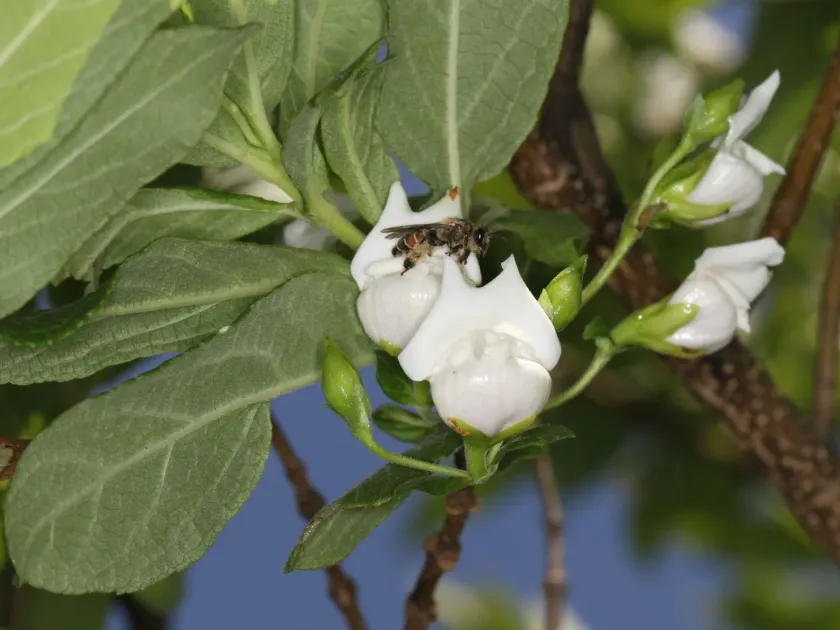
Bowkeria verticillata is a unique ornamental shrub belonging to the Scrophulariaceae family. Native to the forested regions and riverbanks of South Africa, it is highly valued for its striking, bell-shaped flowers that appear in clusters along the branches.
This species thrives in temperate conditions, requiring a location with filtered sunlight or partial shade. Exposure to intense, direct afternoon heat should be avoided to prevent leaf scorch and ensure the plant maintains its lush, green appearance throughout the season.
The soil must be fertile, well-draining, and rich in organic matter to support the robust growth of the shrub. Gardeners should ensure the growing medium is slightly acidic to neutral, avoiding waterlogged sites that could lead to root asphyxiation and eventual plant failure.
Climatic requirements are specific to regions with mild winters, as the plant is not frost-tolerant. In cooler climates, it is typically cultivated in containers and moved into greenhouses or conservatories once night temperatures drop below the optimal threshold of 10 degrees Celsius.
Maintenance involves consistent moisture supply during the growing season. While the plant loves humidity, it is imperative to allow the top layer of soil to dry out slightly between waterings to prevent root system compromise and promote healthy aerobic activity in the root zone.
Main diseases and pests
The primary threats to Bowkeria verticillata in cultivation are root rot and fungal infections, typically triggered by improper watering practices and poor soil drainage. Maintaining a strict irrigation schedule is the most effective preventative measure against these conditions.
Common pests such as aphids and spider mites can occasionally affect the plant, particularly when it is grown in environments with limited airflow or dry, warm air. These insects congregate on the undersides of leaves and young stems, extracting sap and weakening the plant.
Powdery mildew is another risk factor, especially in environments where humidity is high and ventilation is inadequate. Pruning branches to improve air circulation within the shrub canopy is essential for preventing the rapid spread of this fungal disease.
Integrated pest management should focus on early detection of infestations. Regular inspections of the foliage, particularly the newer growth, allow for the quick removal of isolated pests before they reach a level that threatens the overall vitality of the shrub.
Using sterile pruning tools is vital to avoid spreading pathogens between plants. If chemical intervention is necessary, opt for selective pesticides that target specific pests while minimizing harm to beneficial insects that may visit the plant during its flowering period.