
Bowkeria gerrardiana
Bowkeria gerrardiana
Description
Growing requirements
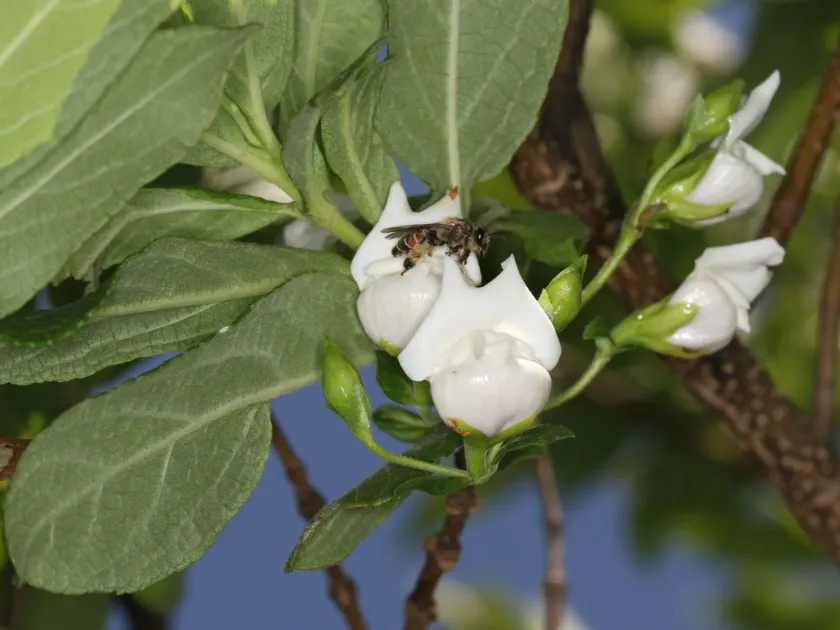
Bowkeria gerrardiana is a distinctive shrub belonging to the Scrophulariaceae family. Known for its unique, shell-like flowers, this plant adds significant visual interest to temperate and subtropical gardens.
Originating from South Africa, the plant thrives in environments that mimic forest edges, preferring semi-shaded areas with filtered light. It is highly valued for its ability to adapt to varying levels of canopy shade.
The cultivation of this species requires well-drained, nutrient-rich soil. It is essential to ensure that the ground is high in organic matter to support the rapid growth of the woody stems and foliage during the spring.
Consistent irrigation is crucial for the health of Bowkeria gerrardiana. While the plant can handle short dry spells once established, regular moisture prevents the leaves from wilting and encourages more prolific blooming.
Maintenance tasks include mulching the base of the plant to retain soil temperature and moisture levels. This simple practice mimics the natural leaf litter found in its native habitat, fostering a healthy environment for the roots.
Main diseases and pests
Fungal diseases, particularly root rot, pose the greatest threat to Bowkeria gerrardiana. This often occurs in poorly drained soils where water logging creates an environment conducive to pathogen proliferation.
Pests such as aphids and mealybugs can occasionally infest the plant, clustering around the soft growth at the tips of branches. Monitoring these areas allows for early intervention with mild insecticidal soaps.
Nutrient deficiencies may manifest as chlorosis or stunted foliage growth. Regular soil testing and the application of a balanced, slow-release fertilizer can mitigate these issues effectively.
Frost sensitivity is a critical concern, as the plant is not natively frost-hardy. Protective coverings or relocation to a glasshouse are necessary for survival in regions with significant temperature drops.
Pruning is essential for canopy management. By thinning out the inner branches, gardeners can improve airflow, which significantly reduces the humidity levels that encourage fungal colonization on the leaves.