
Bowkeria cymosa
Bowkeria cymosa
Description
Growing requirements
Bowkeria cymosa is a distinctive species within the Scrophulariaceae family, native to the diverse landscapes of South Africa. This woody shrub is known for its unique floral morphology and dense, evergreen foliage that provides significant aesthetic value in suitable environments.
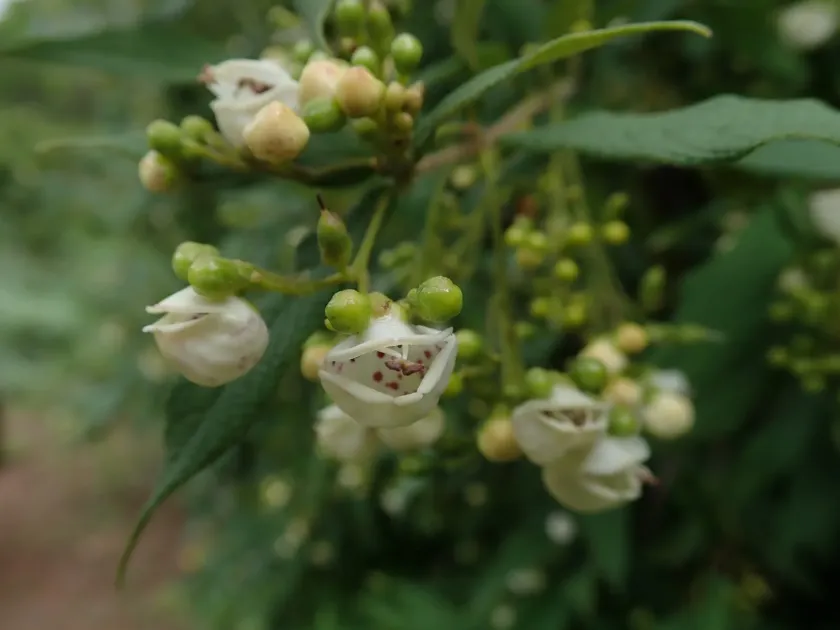
Botanically, the plant is characterized by its cymose inflorescences, from which it derives its specific epithet. These blossoms have a bell-like structure that serves as a specialized niche for local pollinators, indicating a complex biological relationship developed through evolution.
The culture thrives in well-drained, nutrient-rich soils that emulate its native habitat conditions. It prefers locations with full to partial sun exposure, as sufficient light is essential for the development of its characteristic flower clusters and healthy shoot growth.
Climate requirements for Bowkeria cymosa are quite specific; it favors temperate conditions and is sensitive to heavy frosts. In cooler zones, it is highly recommended to cultivate the species in controlled greenhouse environments to protect the structural integrity of the plant.
Agricultural use of Bowkeria cymosa is primarily centered around ornamental horticulture. It is highly sought after by botanical gardens and collectors interested in maintaining biodiversity of rare South African flora within controlled decorative settings.
Main diseases and pests
The primary threats to Bowkeria cymosa involve fungal diseases triggered by poor soil aeration and waterlogging. These conditions often lead to root decay, necessitating the use of specialized, airy substrates and careful irrigation scheduling to avoid excess moisture around the root zone.
Pest management is focused on controlling common greenhouse invaders, such as aphids and spider mites. These insects tend to congregate on the undersides of leaves, and if left unchecked, they can significantly reduce the photosynthetic capacity and vitality of the shrub.
Integrated pest management strategies should be employed to mitigate damage. This includes the application of horticultural oils or soaps at early infestation stages, ensuring that the chemical impact on the foliage is kept to a minimum to maintain aesthetic appeal.
Viral infections may also pose a risk, often transmitted by insect vectors. Therefore, maintaining a clean cultivation area and isolating affected plants is crucial to preventing the rapid spread of infections across the nursery collection.
Regular monitoring of environmental parameters, such as humidity levels and temperature fluctuations, is essential. Providing a stable growing climate significantly boosts the natural defenses of Bowkeria cymosa against common biological threats.