
Hebenstretia
Hebenstretia
Hebenstretia is typically grown as an annual crop, so sowing times depend on the propagation method. When using the seedling method, seeds are sown in containers in March or early April to ensure early blooming.
What the section contains


Hebenstretia
If you prefer direct sowing in open ground, it is recommended to wait for stable, warm weather after all risks of night frost have passed. This usually occurs in late May, as the crop is extremely sensitive to cold temperatures.
The sowing depth for seeds should be minimal, as they require sufficient light to germinate. After sowing, the soil surface should be lightly covered with substrate and kept moderately moist until seedlings emerge.
Once germinated, the seedlings must be thinned out to ensure optimal spacing between plants for proper air circulation. Planting density directly affects the intensity of bushiness and the overall quality of flowering throughout the season.
Pricking out is performed at the stage of two true leaves, using a nutrient-rich substrate mixed with sand to improve drainage properties. Hardening off the seedlings before transplanting them to a permanent location is a mandatory preparation step.
Hebenstretia belongs to the Scrophulariaceae family and naturally occurs in the southern regions of Africa. This origin dictates its preference for bright, direct sunlight and resilience during short periods of drought.
Successful cultivation requires well-drained, light soils with a neutral or slightly acidic pH. Heavy clay substrates are strictly unsuitable, as they promote moisture stagnation around the root system.
The temperature regime must be consistently high; the plant prefers open areas protected from strong winds. It performs best in regions with long daylight hours and an abundance of warmth during the growing season.
Watering should be regular yet moderate to avoid waterlogging the roots. During the peak flowering period, the plants respond well to the application of balanced mineral fertilizers with low nitrogen content.
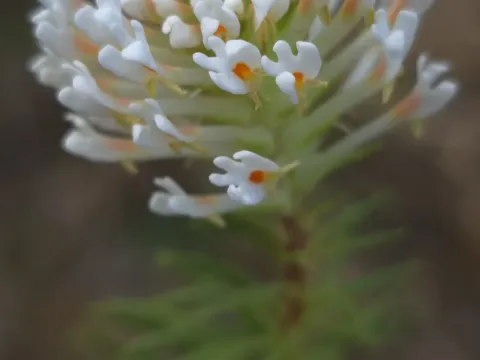
Botanically, the plant is a small shrub or perennial herbaceous plant that is cultivated as an ornamental annual in temperate climates, highly valued for its distinct honey-like scent.
The main threats to Hebenstretia are fungal diseases caused by excess moisture in the soil and air. Root rot often affects young plants when irrigation schedules are poorly managed.
Pests, such as the spider mite, can pose a risk when growing the plants during hot, dry summers. They feed on plant sap, leading to premature wilting and a loss of ornamental value.
Aphids may also infest the flower spikes, making regular inspection of the plants during early development stages a crucial part of agricultural care for this crop.
Disease prevention includes strict crop rotation and avoiding overly dense plantings, which helps the soil surface dry quickly after rainfall or irrigation.
If initial signs of pest infestation are detected, it is recommended to use biological control agents or systemic insecticides approved for use on flowering ornamental crops.