
Hebenstretia integrifolia
Hebenstretia integrifolia
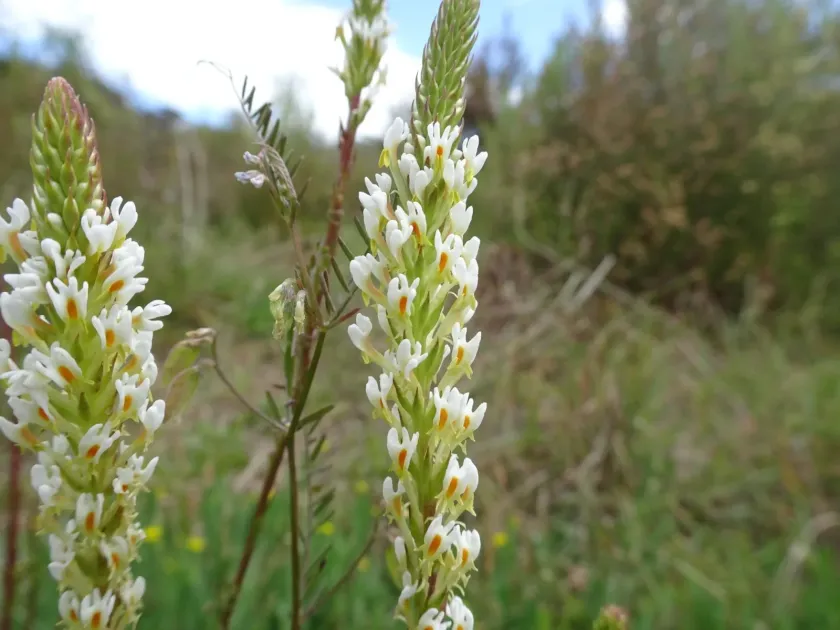
Description
Sowing dates
Hebenstretia integrifolia belongs to the Scrophulariaceae family. This ornamental plant is native to South Africa, adapted to arid and semi-arid conditions, and is often grown as an annual in cooler climates.
Sowing should ideally start in late winter or early spring. Seeds are tiny and require light to germinate, so they should be sown on the surface of a fine, moist potting mix without covering them too deeply.
Maintenance of the germination temperature between +18 and +20 degrees Celsius is essential for high success rates. Consistent moisture is required, but the medium must be light enough to prevent fungal issues.
Seedlings should be pricked out when the first set of true leaves develops. Once the danger of frost has passed, hardening off the young plants is necessary before transplanting them into their permanent garden location.
Spacing should allow for proper airflow, typically around 20–25 centimeters between plants. This density prevents the plants from overcrowding and supports uniform development of the floral spikes.
Growing requirements
This species thrives in full sun exposure. It is highly adapted to bright, warm environments and will lose its vigor and compact growth habit if kept in shaded or low-light conditions.
Well-drained soil is a strict requirement for the healthy growth of Hebenstretia. It performs exceptionally well in sandy or rocky soils, as these prevent the root rot associated with waterlogged conditions.
Watering needs are moderate. While the plant shows some drought tolerance once established, regular irrigation during dry spells helps maximize the abundance and duration of the flowering period.
Fertilization should be balanced. A low-nitrogen fertilizer applied once or twice throughout the growing season is sufficient to encourage flower production rather than excessive vegetative growth.
Pruning or pinching the growing tips in the early stages of development is highly recommended to promote a bushy structure. This technique ensures a more aesthetically pleasing plant with a higher density of blooms.
Main diseases and pests
Root rot is the most common threat, usually triggered by poor drainage or overwatering. Maintaining a porous soil structure is the best preventative measure against this physiological disorder.
Powdery mildew is a potential disease, especially in environments with poor air circulation and high humidity. Improving spacing and ensuring the leaves remain dry during irrigation help prevent outbreaks.
Aphids are the primary insect pests that attack the soft, succulent tips of the plant. Early detection and the application of insecticidal soaps or neem oil are effective in managing pest populations.
Thrips may occasionally affect the blooms. Monitoring for discolored petals or distorted growth allows for quick action, preventing the infestation from spreading to neighboring plants.
General hygiene practices, such as removing spent flowers and debris, play a crucial role in disease management. Keeping the area free of weeds reduces competition and helps maintain a healthy environment.