
Diclis ovata
Diclis ovata
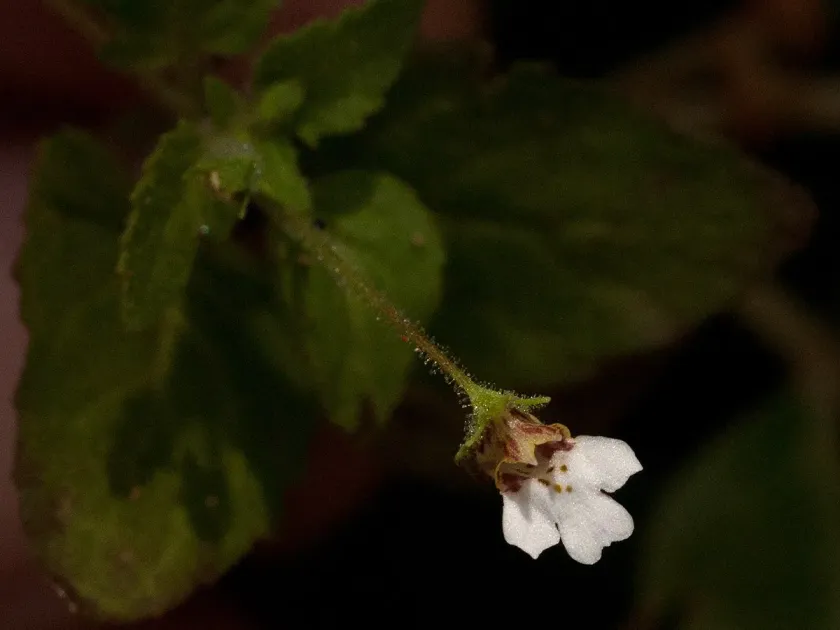
Description
Growing requirements
Diclis ovata is a low-growing perennial herbaceous plant belonging to the Phrymaceae family. Native to the damp, shaded regions of South Africa, it has evolved to thrive in environments with consistent moisture and protection from intense direct sunlight.
The plant features creeping stems that root at the nodes, allowing it to spread quickly and form dense, lush green carpets. The foliage consists of ovate leaves with serrated margins, which remain decorative throughout the growing season.
To successfully cultivate this plant, one must provide a rich, well-draining, and consistently moist soil. Adding organic matter, such as compost or peat, helps to retain moisture while ensuring that the roots do not sit in waterlogged soil.
The species prefers semi-shaded to shaded conditions. In garden design, it is frequently used as a ground cover under trees or along the edges of water features, where the microclimate is typically more humid and cooling.
Cultural care involves maintaining stable irrigation levels and avoiding extreme heat. If planted in suitable conditions, the plant is relatively low-maintenance, requiring only occasional clearing of dead foliage to encourage new growth.
Main diseases and pests
The primary threats to Diclis ovata are fungal infections caused by excessive moisture and poor air circulation. Root rot is the most common issue when soil drainage is insufficient, often leading to a rapid decline in plant health.
Pests, although not typically aggressive in outdoor garden settings, may include slugs and snails that feed on the succulent leaves. These pests are attracted to the moisture-rich habitats where Diclis is usually planted.
Preventative measures include ensuring adequate spacing between plants to allow for airflow. Reducing humidity around the base of the stems can significantly lower the risk of fungal outbreaks during warmer periods.
Regular sanitation, including the removal of leaf debris and weeds, is vital to prevent the spread of pathogens. Keeping the area tidy minimizes the sites where spores or pests can proliferate.
If chemical intervention becomes necessary, systemic fungicides or molluscicides should be applied according to the manufacturer's instructions, ensuring they are compatible with surrounding ornamental flora.