
Diclis reptans
Diclis reptans
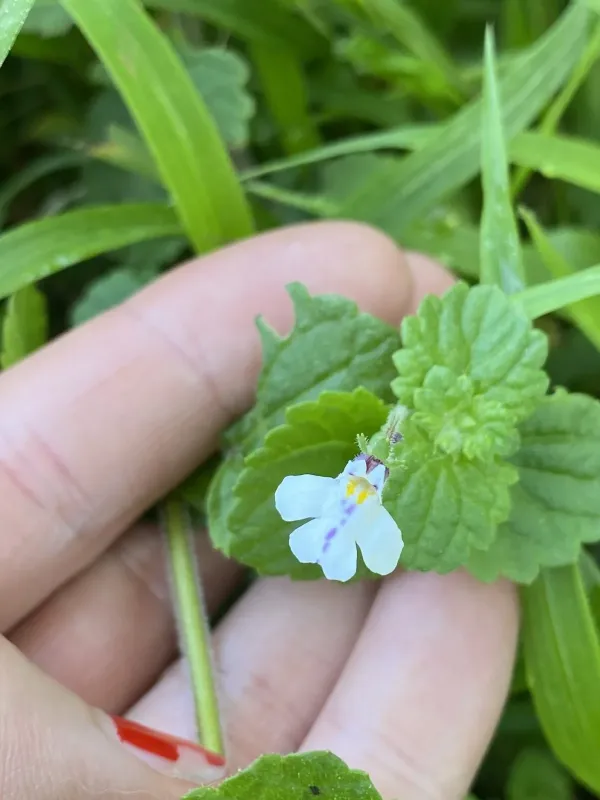
Description
Sowing dates
Seeds of Diclis reptans are typically sown in late winter within controlled environments. A germination temperature of approximately 20–22 degrees Celsius is required for consistent results.
The seeds are very small and should be lightly pressed into the soil surface without covering them too deeply. Maintaining consistent moisture is critical for the delicate seedlings during their first weeks.
Vegetative propagation is widely used in commercial production. Stem cuttings are taken from healthy, vigorously growing plants and placed in a moist, well-draining rooting medium.
Once established, the cuttings develop roots quickly at the nodes. This allows for rapid scaling of plant stock, which is beneficial for landscape projects and nursery sales.
Transplanting into the permanent garden site occurs once frost risks are completely eliminated and soil temperatures have sufficiently increased to support active growth.
Growing requirements
Diclis reptans is a perennial plant belonging to the Scrophulariaceae family. Its native habitat is found in the moisture-rich landscapes of Southern Africa.
This crop thrives in partial shade conditions, where it receives enough indirect light to maintain deep green foliage without being scorched by direct heat.
The ideal soil is rich in organic matter and maintains a consistent, moderate level of moisture. Heavy soils must be amended to ensure adequate drainage and aeration.
Water management is crucial; the plant has a shallow root system, making it susceptible to moisture stress. Regular irrigation is recommended during hot, dry intervals.
Nutrient supplementation should be applied sparingly. Over-fertilization can lead to excessive vegetative growth at the expense of its characteristic floral displays.
Main diseases and pests
The most common issues affecting this crop are fungal pathogens, specifically those causing foliar spots. These often occur when humidity is too high and airflow is restricted.
Root decay remains a primary threat under conditions of soil compaction and poor water drainage. Maintaining an open soil structure is essential for plant health.
Common horticultural pests, including aphids and spider mites, may infest the tender stems, particularly when plants are grown in confined, dry greenhouse environments.
Slugs and snails can cause significant damage to the succulent leaves, particularly during damp spring weather when the plant is just beginning to expand.
- Regular monitoring for early signs of pathogen colonization.
- Strategic pruning to increase light penetration and air circulation.
- Implementation of preventative measures to control slug populations in sensitive areas.