
Schisandra repanda
Schisandra repanda (Siebold & Zucc.) Radlk.
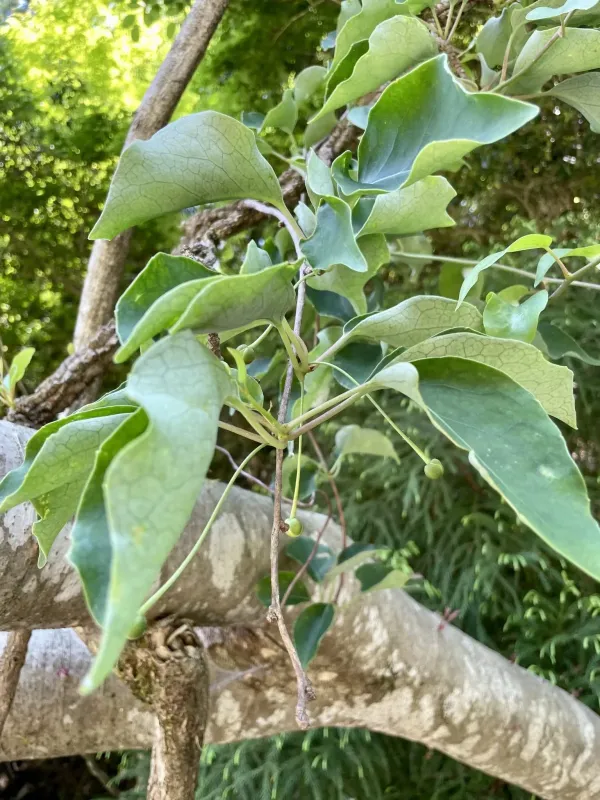
Description
Sowing dates
Schisandra repanda is most effectively propagated via vegetative methods, such as layering or stem cuttings, which ensure the retention of the parent plant's characteristics. Planting established nursery stock into open ground is best performed in the spring once the soil has warmed up, or during the early autumn.
If propagating from seeds, sowing should occur in the autumn directly into the soil to ensure the seeds undergo natural stratification over the winter. Seedlings typically emerge the following spring, requiring consistent soil moisture levels to ensure successful establishment.
Choose planting locations that offer loose, organic-rich soil with good drainage to prevent waterlogging. While young, the plant benefits from partial shade, as direct, intense sunlight can scorch its leaves before the vine matures.
The planting spacing should be at least 1–1.5 meters apart, as Schisandra repanda is a vigorous woody vine. It is essential to provide sturdy trellises or supports for the plant to climb, which is crucial for healthy growth and fruit production.
The root system is relatively shallow, so soil cultivation around the base must be performed with caution. Mulching with compost or peat helps preserve soil moisture, suppress weeds, and maintain the necessary soil microclimate.
Growing requirements
Schisandra repanda is a member of the Schisandraceae family, native to regions of East Asia, including Japan and Korea. It is a deciduous woody vine that thrives in temperate forest environments, reflecting its preferences for moderate temperatures and consistent hydration.
The plant requires fertile, well-drained soil with a slightly acidic to neutral pH. Regular organic fertilization during the active growing season is recommended to promote vigorous vine growth and optimal overall plant health.
Adequate moisture is critical for this species; it does not tolerate prolonged drought. Regular irrigation is necessary during dry spells to maintain leaf turgor and prevent the premature shedding of blossoms or fruit.
While the plant shows good cold hardiness, young shoots can be vulnerable to late spring frosts in temperate zones. Providing winter protection for the first few years after planting is highly advisable until the plant becomes fully established.
Air circulation and ambient humidity are key environmental factors. The plant performs best in sheltered spots protected from strong winds, which can cause damage to the sprawling vines and thin foliage.
Yield
The primary agricultural utility of Schisandra repanda lies in its berries and seeds, which are rich in lignans—compounds known for their adaptogenic properties. Yield depends on the age of the vine, site conditions, and adequate pollination support.
Plants grown from seed may take 5–7 years to reach initial fruit bearing, whereas vegetatively propagated vines often produce fruit 2–3 years sooner. Harvesting is done when the berries reach full maturity, indicated by a deep, uniform color.
Yield quantities vary based on regional conditions and agricultural management. Careful harvesting, done in clusters, is necessary to prevent damage to the delicate fruits, which have thin skins and are prone to bruising.
Harvested fruits should be processed promptly—either through gentle dehydration, extraction for juices, or preservation. Rapid handling after picking is vital to maintain the concentration of active health-promoting compounds.
The seeds, separated from the pulp after processing, hold significant value for the pharmaceutical industry. Proper drying techniques are required to ensure the longevity of the chemical components within the seeds.
Main diseases and pests
Fungal infections, particularly powdery mildew, are the primary disease threats to Schisandra repanda. These issues typically arise in dense plantings with poor airflow, making regular pruning to thin the canopy an essential preventive measure.
Pests such as aphids and spider mites can infest the leaves and stems, sucking fluids and weakening the plant. Integrated pest management, including the use of horticultural oils or targeted biological controls, is recommended during the early stages of infestation.
Root rot, often caused by stagnant water or compacted, heavy soils, is a serious threat that can lead to rapid plant decline. Ensuring excellent soil structure and drainage is the most effective way to avoid these conditions.
Protecting the vine from environmental stressors, such as harsh winds and late spring frosts, helps maintain its natural immunity. Strong, well-nourished plants are generally much better at resisting both opportunistic diseases and insect attacks.
Avoiding excessive nitrogen fertilizers is a critical management practice, as high-nitrogen levels promote succulent growth that is overly attractive to pests. Maintaining a balanced nutritional profile ensures the plant remains resilient throughout the season.