
Schisandra chinensis
Schisandra chinensis (Turcz.) Baill.
Description
Sowing dates
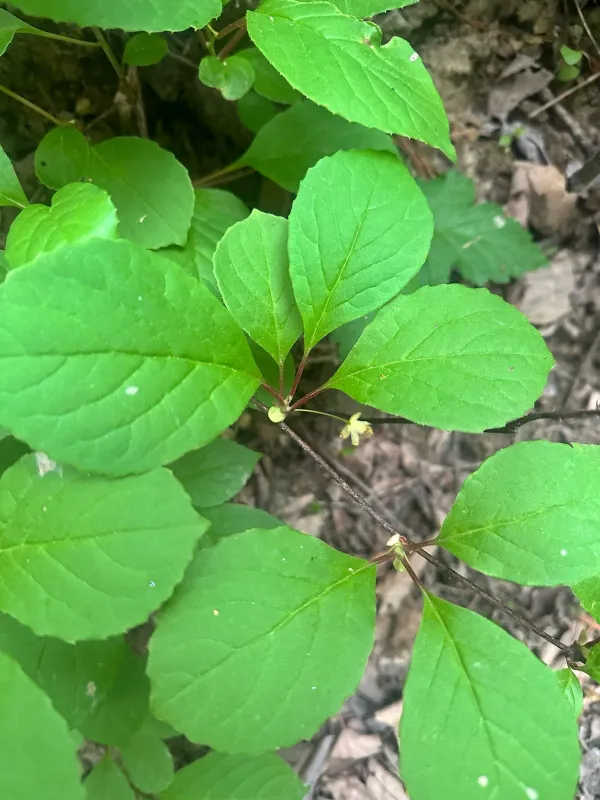
Schisandra chinensis, commonly known as the magnolia berry or five-flavor fruit, is a woody deciduous vine belonging to the Schisandraceae family, native to forests in East Asia.
Propagation is most effectively achieved through vegetative means such as root suckers, layers, or cuttings, as seeds often exhibit dormancy and require a long stratification period.
Spring is the optimal time for planting seedlings in well-prepared soil, usually after the last frost, which allows the root system to establish itself before the summer heat arrives.
When planting, ensure a spacing of at least 1–1.5 meters between plants to provide sufficient room for development and to facilitate proper air circulation around the vines.
As a climbing vine, Schisandra chinensis requires structural support such as a trellis, wire fence, or pergola, which is essential for healthy growth and easier harvesting of the berries.
Growing requirements
This crop thrives in fertile, well-draining, and moist soil that is rich in organic matter, preferring a slightly acidic to neutral pH for optimal nutrient absorption.
Schisandra requires consistent moisture, especially during dry spells, and benefits from a layer of mulch around the base to keep the roots cool and retain soil moisture levels.
While the plant can tolerate some shade, partial light is ideal, as intense direct sun can scorch the leaves and excessive shade can inhibit both flower bud and fruit formation.
Regular fertilization with compost or well-rotted manure during the early spring supports vigorous growth and improves the vine's ability to resist environmental stressors.
Although it is cold-hardy, young vines should be protected from harsh winter winds and extreme cold in their first few years by covering the base with straw or leaves.
Yield
The plant typically begins to bear fruit between the 4th and 6th year after planting, with potential yields reaching up to 3 kg of berries per mature vine depending on growing conditions.
Schisandra berries contain active compounds known as lignans, specifically schisandrin, which are widely recognized in traditional and modern medicine for their adaptogenic properties.
The berries are typically harvested in clusters and are characterized by a unique profile, incorporating five flavors: sweet, sour, salty, bitter, and pungent, making them highly prized.
Beyond medicinal use, the fruit is commercially processed into juices, jellies, wines, and teas, while the dried berries are used as a natural health supplement worldwide.
The vine also serves an ornamental purpose, as its vibrant green leaves and bright red fruit clusters make it an excellent choice for vertical gardening and aesthetic landscaping.
Main diseases and pests
Common issues include fungal diseases such as powdery mildew and various leaf spots, which are often caused by high humidity or poor air movement within the vine's foliage.
Pests like spider mites, scale insects, and specific caterpillars can attack the leaves and stems, causing significant damage that may weaken the plant and reduce overall vigor.
Management involves proper pruning to increase airflow, removing affected leaves, and applying organic fungicides or insecticidal soaps when infestations are detected early.
Maintaining high soil fertility and optimal watering levels helps improve the plant's immune system, making it more resilient against common pathogens and minor pest attacks.
Integrated pest management, including the use of beneficial insects and regular monitoring, is recommended over heavy chemical application to preserve the quality of the medicinal harvest.
Harvesting
Harvesting is usually done in September or October when the berries have turned a deep, uniform red and have become soft enough to be easily picked from the stems.
Great care must be taken during the harvest to cut the entire fruit cluster rather than pulling individual berries, as the skin of the fruit is delicate and bruises easily.
Fresh berries have a limited shelf life and should be processed shortly after harvest by either drying them in a cool, dark room or freezing them to preserve their bioactive compounds.
Dried Schisandra berries are a stable and common form of the product, prepared by dehydrating them at low temperatures to ensure the medicinal properties remain fully intact.
The seeds and skins are often utilized together, as both contain the beneficial lignans that are the primary reason for the plant's high economic and pharmaceutical value.