
Large star anise
Illicium majus
Large star anise, scientifically classified as Illicium majus, is a member of the Schisandraceae family. This evergreen woody species originates from the high-altitude regions of Southeast Asia, where it thrives in humid and shaded forest environments.
What the section contains
Large star anise
The climate requirements for this plant focus on high humidity levels and protection from direct intense sunlight. It prefers subtropical conditions where temperature fluctuations are minimal, ensuring steady growth throughout the active vegetation season.
Soil management for Illicium majus involves maintaining well-draining, slightly acidic soil enriched with organic matter. Proper aeration is crucial, as the root system is highly susceptible to hypoxia if the growing medium remains waterlogged for extended periods.
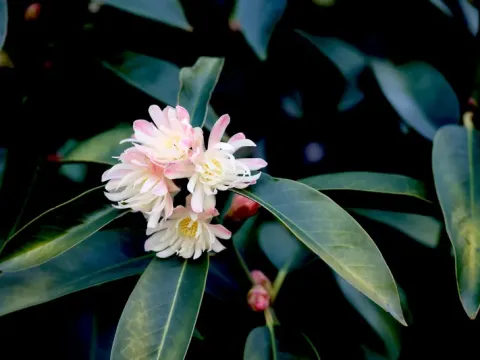
Botanically, the plant is distinguished by its robust, leathery foliage and distinctive star-shaped fruit structures. The flowers are multi-petaled, which contribute to the species' aesthetic value in addition to its aromatic properties.
Economically, this crop is valued primarily for its essential oils and secondary metabolites used in pharmacological and culinary applications. It serves as a specialized niche crop for producers looking to diversify their spice and botanical collections.
The primary threats to Illicium majus are fungal pathogens that target the root system, often exacerbated by overly dense soil and excessive watering practices.
Common pests include scale insects and spider mites, which are particularly problematic in greenhouse or controlled settings where natural predators are absent.
Effective management includes canopy thinning to improve airflow and constant monitoring of humidity levels to prevent the onset of mold and mildew infections.
Integrated pest management strategies are recommended, focusing on physical removal of pests and the application of biological controls before considering chemical options.
Maintaining balanced soil nutrition helps the plant develop stronger tissues, making it more resilient against environmental stress and opportunistic infestations.