
Henry's star anise
Illicium henryi
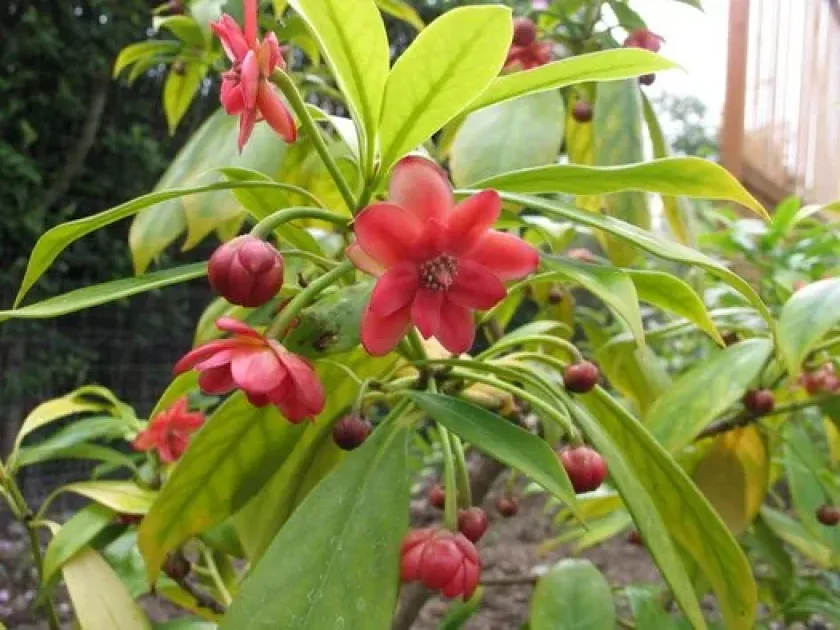
Description
Sowing dates
Propagating Henry's star anise is typically achieved through seeds or semi-hardwood cuttings. Seeds require a period of stratification for approximately 1–2 months at cool temperatures to break dormancy and ensure successful germination.
Sow seeds in a well-draining substrate composed of peat and perlite or sand. The ideal time for sowing is early spring, ensuring a stable environment with moderate indirect light to support the delicate seedlings.
Cuttings should be taken in mid-summer from healthy, partially matured growth. Treating the base of the cutting with a rooting hormone significantly improves the success rate of root development in high-humidity propagation chambers.
Young plants are sensitive to transplanting, so it is recommended to use biodegradable pots or perform the operation with extreme care to maintain the integrity of the root ball.
Establishing a permanent site requires consideration of the plant's slow growth rate. Provide adequate space for mature development, as the shrub will naturally form a dense, evergreen structure over several years.
Growing requirements
Illicium henryi belongs to the Schisandraceae family and is native to the mountainous woodland regions of China. It is highly valued for its elegant, evergreen foliage and potential medicinal applications of its fragrant properties.
The plant thrives in partial shade, mimicking the conditions of its natural forest habitat. Exposure to harsh afternoon sun can scorch the leaves, while deep shade may lead to leggy growth and reduced flowering.
Soil requirements focus on high organic content and excellent drainage. A slightly acidic pH is preferred, and the addition of leaf mold or compost annually helps maintain optimal soil fertility and structure.
Climatic adaptability is moderate; the plant prefers humid, temperate conditions. While it possesses some degree of cold tolerance, young plants should be protected from freezing winds during their first few winter seasons.
Water management is critical. The root system must remain consistently moist but never waterlogged. During dry spells, supplemental irrigation is necessary to ensure the health of the plant.
Main diseases and pests
Fungal pathogens are the most common threats to Henry's star anise, particularly root rots resulting from poor soil drainage. Maintaining a loose, airy soil structure is the primary defense against such issues.
Scale insects and spider mites are typical pests that can infest the foliage. These pests thrive in stagnant air or excessively dry conditions, necessitating regular monitoring and improved airflow management.
Leaf spot diseases may appear during periods of high humidity and cool temperatures. Removing and destroying infected foliage is essential to prevent the spread of fungal spores to healthy parts of the plant.
Prevention is key, involving the strategic spacing of plants to allow for sufficient air circulation. Proper hygiene in the garden, including the removal of debris from under the canopy, minimizes the habitat for pests.
Integrated pest management strategies, such as the introduction of beneficial insects or the use of horticultural oils, are preferred over broad-spectrum chemicals to preserve the aromatic quality of the plant.