
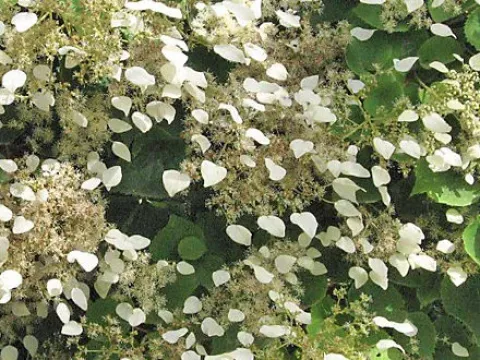
Schizophragma
Schizophragma
Schizophragma is a genus of deciduous climbing vines belonging to the Hydrangeaceae family. These plants are prized for their ability to scale surfaces using aerial rootlets, making them excellent candidates for climbing walls, fences, or tree trunks.
What the section contains
Schizophragma
Native to the forests of East Asia, including regions in China and Japan, these plants have evolved to thrive in woodland settings. Their biological structure allows them to compete for light by climbing towards the canopy while remaining rooted in moist, humus-rich soil.
The primary requirement for successful cultivation is a cool, moisture-retentive, and well-draining soil. Ideally, the soil should be slightly acidic to neutral, mimicking the natural conditions found in their native temperate forest floor environments.
These vines prefer partial to full shade. While they can tolerate some morning sun, hot afternoon rays can scorch their foliage. Providing a shelter from strong, drying winds is also essential to maintain the health and vigor of the plant.
Establishment of the plant requires careful attention to irrigation. During the first few years of growth, the plant should not be allowed to dry out completely, as root development is crucial for its long-term survival and ability to climb.
Schizophragma is generally robust but can suffer from spider mites in hot, dry environments. These pests feed on the underside of the leaves, causing stippling and yellowing, which significantly impacts the aesthetic value of the vine.
Fungal issues, such as powdery mildew, may occur if there is insufficient air circulation around the plant foliage. This is particularly prevalent in areas with high humidity and stagnant air pockets, requiring improved pruning practices.
Root rot is a major threat in poorly drained soils. If the soil remains saturated for long periods, the roots will suffocate, leading to yellowing of leaves and potential plant death, which necessitates the use of raised beds or improved drainage systems.
Effective pest management involves regular monitoring and the application of horticultural oils or specialized insecticides when pest populations reach damaging thresholds, while maintaining proper plant hygiene.
Preventative measures, such as mulching to preserve soil moisture and avoiding overhead watering, help reduce the incidence of fungal diseases. Keeping the plant properly pruned ensures that light reaches all parts of the vine, promoting healthy growth.