
Red Kadsura
Kadsura coccinea
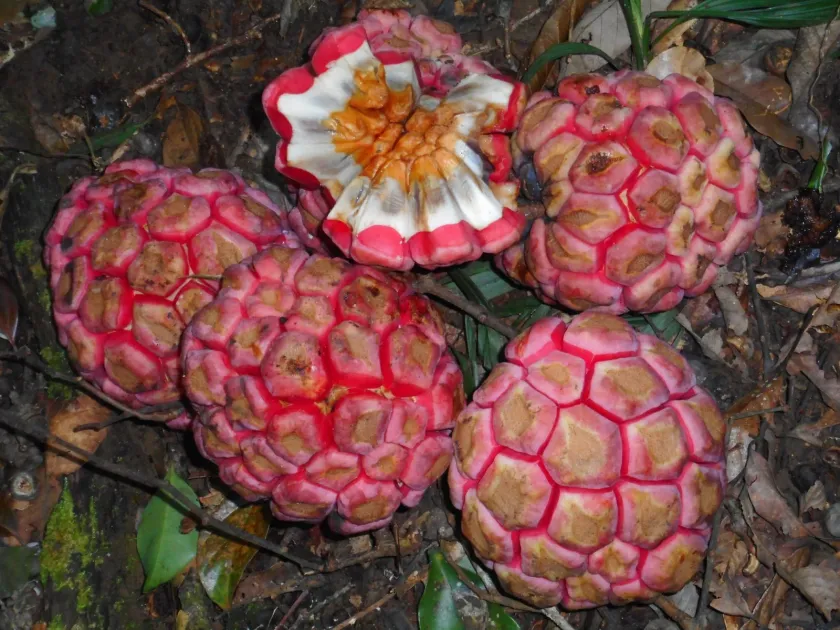
Description
Sowing dates
Red Kadsura is primarily propagated through seed sowing or vegetative methods such as cuttings. Seeds require a mandatory stratification period of two to three months under low temperatures to break dormancy and ensure successful germination.
Sowing should be performed in protected environments or greenhouses during early spring, following the cold treatment. Seeds are planted at a depth of 1–2 centimeters, requiring constant moisture levels in the growing medium to facilitate the emergence of seedlings.
Vegetative propagation via semi-hardwood cuttings is the preferred method for maintaining genetic uniformity and specific variety traits. Cuttings are collected in the summer and placed in well-drained substrate, often treated with rooting hormones for better results.
Transplanting into the field is carried out once the danger of frost has passed, usually in late spring. As a climbing vine, Red Kadsura requires structural support such as trellises or arbors to encourage vertical growth and maintain health.
Correct spacing is essential to prevent overcrowding and ensure adequate airflow around the plant. This structural planning is vital for subsequent maintenance, including pruning and the efficient collection of the fruit harvest later in the season.
Growing requirements
Kadsura coccinea belongs to the Schisandraceae family and is an evergreen woody vine native to the subtropical regions of East Asia. This origin dictates its high requirement for consistent humidity and moderate ambient temperatures.
The plant thrives in fertile, well-structured, and moist-retentive soils. It prefers a neutral to slightly acidic pH. Poorly drained soil can lead to root issues, making the addition of organic matter and proper drainage systems a priority for successful cultivation.
Red Kadsura prefers semi-shaded areas or filtered sunlight. Direct exposure to intense, scorching sun can damage the foliage and stress the plant, so choosing a location with natural or artificial shade is crucial for its long-term development.
In temperate climates, the species is not frost-hardy and is often grown in containers. This allows for the plant to be moved to a sheltered environment during the winter, preventing cold damage to the root system and main stems.
Regular watering is necessary, especially during the active growth phase. Maintaining moist soil without waterlogging is key; mulching the base of the vine helps retain soil moisture and stabilizes the temperature of the root zone throughout the year.
Yield
The fruit of the Red Kadsura consists of aggregate, bright red berries that are highly valued for their nutritional profile and health benefits. The yield depends on the age of the vine and the quality of horticultural practices applied.
A productive harvest is typically achieved when the plant is between five to seven years old. With proper fertilization and consistent pruning of the canopy, the vine can produce significant quantities of fruit suitable for commercial or domestic use.
Red Kadsura berries are rich in antioxidants and bioactive compounds. Beyond the fruit, parts of the plant, including roots and leaves, have been historically used in traditional medicinal practices for their anti-inflammatory properties.
Commercial growers focus on training the vines on specialized trellises to ensure uniform sunlight exposure. This technique improves both the fruit quality and the total yield per plant, facilitating easier access during the harvesting window.
Yield management requires careful attention to soil nutrients throughout the growing cycle. Supplementing with balanced fertilizers after the fruit set can help increase the size and weight of the berries, resulting in better marketability of the final product.
Main diseases and pests
Fungal diseases are the primary threat, especially in environments with high humidity and poor ventilation. Powdery mildew can cause white spots on leaves and stems, significantly weakening the plant and impacting its photosynthetic capacity.
Pests such as spider mites and scale insects are common, particularly when the plant is kept in containers or areas with low relative humidity. Regular inspection of the undersides of the leaves is critical for early detection and control.
A proactive approach to disease management involves maintaining proper spacing and performing regular pruning to improve airflow. Eliminating dead or diseased material reduces the spread of fungal spores and keeps the vine healthy.
Systemic insecticides or organic bio-controls can be used to manage infestations. It is important to adhere to safety protocols regarding harvest timing to ensure no harmful chemical residues remain on the fruits intended for consumption.
Root rot, often caused by excessive watering or poor soil drainage, can lead to quick decline. Symptoms like yellowing foliage and wilting should be addressed by adjusting the irrigation schedule and applying appropriate fungicides to the soil.
Harvesting
Harvesting is performed selectively as the berries reach their full, bright red maturity. Since the fruits do not ripen all at once, multiple passes are often necessary to collect the berries at their peak quality.
The fruit is delicate and requires careful handling to prevent bruising. Using small, sharp garden scissors to clip the stems is recommended to avoid damaging the vine or the fragile skin of the berries during removal.
Freshly picked berries are highly perishable. They should be moved to a cool location immediately after harvest and ideally placed in cold storage at temperatures between +2°C and +4°C to preserve their texture and nutrients.
Transportation of the harvest requires specialized shallow containers lined with protective materials to prevent damage during transit. Keeping the fruit cool and avoiding ethylene-producing items in the same container helps extend shelf life.
Post-harvest care includes a final fertilization boost with phosphorus and potassium to strengthen the plant before winter dormancy. This promotes the maturation of new wood and ensures a healthy set of buds for the upcoming season's growth.