
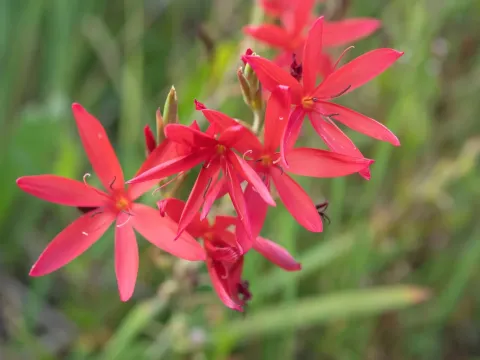
Schizostylis
Schizostylis
Schizostylis, commonly known as the Kaffir lily, belongs to the Iridaceae family and is highly valued for its late-season flowering performance.
What the section contains
Schizostylis
Seed propagation is typically performed in late winter or early spring using controlled greenhouse environments to ensure high germination rates.
The preferred method for commercial cultivation is the division of established rhizomes, which should be done during the dormant period.
When planting, it is essential to ensure that the rhizomes are placed at a depth that allows for rapid root establishment while avoiding deep burial.
Spacing should be managed to ensure adequate ventilation, which helps to minimize the humidity-related stress that the plant might experience.
The plant thrives in moist, well-draining soils that are rich in organic matter, mimicking the conditions of its native South African habitats.
Adequate water supply is crucial during the growing season; even short periods of drought can significantly affect the quality of floral spikes.
Schizostylis prefers full sun to partial shade, though in warmer climates, shelter from the harsh afternoon sun is recommended to prevent wilting.
Soil pH should ideally be neutral or slightly acidic, allowing for optimal nutrient uptake through the root system during the development phase.
Winter protection, such as mulching or moving pots into cold frames, is necessary in regions where temperatures drop significantly below freezing.
The primary threats to Schizostylis health are fungal infections, particularly Botrytis, which thrive in stagnant, high-humidity environments.
Aphids and spider mites are common pests that target the foliage and succulent stems, potentially reducing the overall vigor of the plants.
Slugs and snails can cause significant damage to emerging shoots, requiring integrated pest management strategies to protect the crop.
Crop rotation and maintaining high sanitary standards within the growing area are effective ways to prevent the buildup of soil-borne pathogens.
Timely application of appropriate pesticides should follow the manufacturer's instructions to ensure both effectiveness and environmental safety.
Harvesting for the cut-flower market involves cutting stems when the lower buds are open, ensuring longevity and quality for end-users.
Stems must be handled with care and processed immediately after harvesting to prevent dehydration and ensure maximum vase life for the product.
Cooling facilities are often employed to maintain the fresh quality of the harvested flowers before they are shipped to distribution channels.
Strategic harvesting practices also involve removing any damaged or diseased stems from the field to keep the remaining crop healthy.
After the final harvest, the site should be cleared of debris to prepare the soil and the plant stock for the subsequent growing season.