
Kadsura
Kadsura
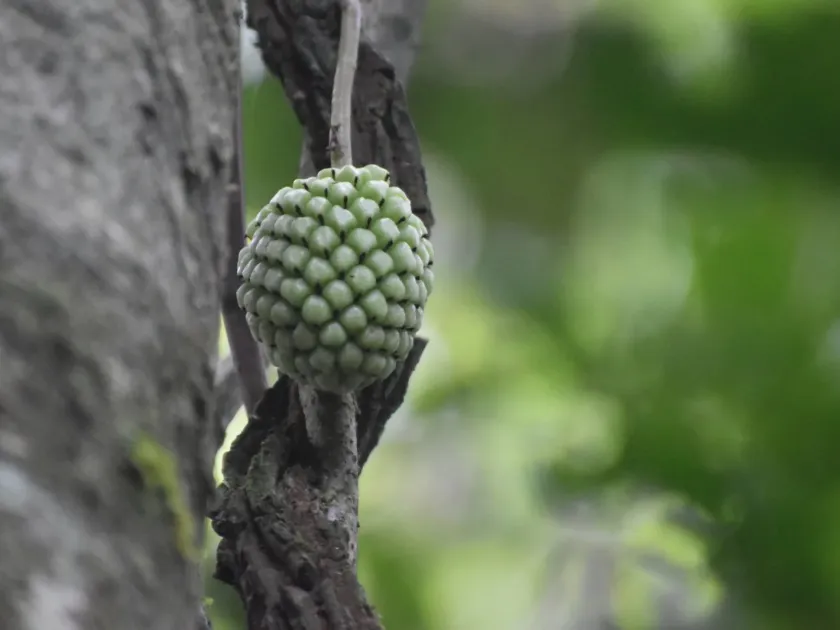
Description
Sowing dates
Kadsura is a perennial evergreen woody vine belonging to the Schisandraceae family. In agricultural practices, it is typically propagated through vegetative cuttings, which are ideally harvested in late spring.
For seed propagation, fresh seeds are required as they have poor storability. They need a mandatory period of cold stratification for 2 to 3 months to break dormancy before sowing in well-draining soil.
The optimal time for transplanting nursery-grown plants into the field is during spring, once the threat of frost has completely passed and the soil has warmed up.
Selecting the right site is crucial: the plants thrive in areas protected from strong winds with partial shade, as intense direct midday sun can damage the foliage.
When planting multiple vines, a spacing of at least 1.5 to 2 meters between plants is recommended to ensure adequate airflow and facilitate canopy management.
Growing requirements
Kadsura requires fertile, humus-rich soil with a neutral to slightly acidic pH. The soil structure should be loose to promote rapid root development.
Excellent drainage is essential for the health of the vine. In heavy or waterlogged soil, the plants are highly susceptible to root rot, so raised beds or specific amendments are necessary.
The plants need consistent moisture, especially during the peak growing season. However, irrigation must be carefully managed to avoid oversaturation.
Since Kadsura is a climbing vine, installing a support system such as trellises, wires, or arbors is mandatory to ensure healthy growth and easy maintenance.
Climatic requirements are specific to subtropical environments. The plants are sensitive to severe cold and usually require protection if temperatures drop significantly below -10°C.
Yield
The primary economic focus of Kadsura is its fruit. The plant produces complex aggregate berries that are highly valued in traditional medicine for their nutritional properties.
The fruit contains bioactive compounds, vitamins, and antioxidants. These are often used in the preparation of herbal tonics, beverages, and health supplements.
Yield depends significantly on the presence of both male and female plants or compatible varieties, as many Kadsura species are dioecious or require cross-pollination.
The berries have a unique, refreshing flavor profile often described as a mix of berries and citrus-like notes, making them suitable for gourmet food processing.
Market interest in Kadsura as a niche agricultural crop is growing due to the increasing demand for superfoods and natural medicinal raw materials.
Main diseases and pests
Common pests affecting Kadsura include scale insects and spider mites, which thrive in environments with low air humidity and can weaken the plant if left unchecked.
Fungal diseases, such as leaf spot and root rot, are the most frequent threats. These are usually triggered by poor ventilation, overcrowded foliage, or improper irrigation.
Pest management should prioritize integrated approaches, including the use of horticultural oils for mites and good sanitary practices to prevent the spread of fungal spores.
Regular maintenance, including the pruning of dead or diseased branches, is vital to ensure the plant remains vigorous and resistant to potential threats.
- Regular monitoring of the underside of leaves for mite webs.
- Pruning to improve air circulation within the canopy.
- Applying preventive fungicides during wet, humid weather conditions.
Harvesting
Harvesting is performed manually when the aggregate fruits reach full maturity, indicated by their soft texture and deep, characteristic color.
The fruits are highly perishable and prone to mechanical damage. Therefore, they should be collected with extreme care using padded containers.
Post-harvest life is limited; thus, it is advisable to process the fruit immediately after collection, either by freezing or drying, to maintain their quality.
For fresh market sale, the fruits must be handled in a single layer to prevent crushing and spoilage during transportation.
Commercial producers often freeze-dry the harvest to preserve the potent bioactive components that are sought after in the pharmaceutical and food industries.