
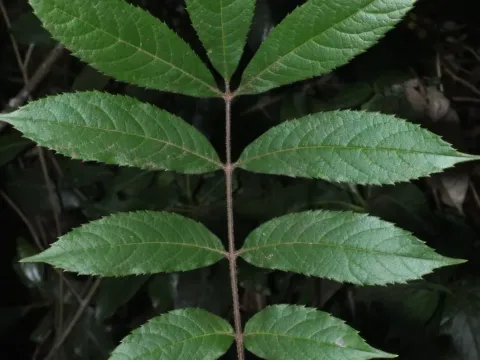
Meliosma
Meliosma
Meliosma is a genus of flowering plants belonging to the Sabiaceae family. This genus includes a wide variety of deciduous and evergreen trees and shrubs native to the warmer regions of Asia and the Americas. These plants are known for their specific structural elegance and ecological adaptation to tropical forest niches.
What the section contains
 Meliosma cuneifolia
Meliosma cuneifolia
Meliosma cuneifolia
 Meliosma dilleniifolia
Meliosma flexuosa
Meliosma flexuosa
Meliosma dilleniifolia
Meliosma dilleniifolia
Meliosma flexuosa
Meliosma flexuosa
 Meliosma herbertii
Meliosma herbertii
Meliosma herbertii
 Meliosma myriantha
Meliosma myriantha
Meliosma myriantha
 Meliosma oldhamii
Meliosma oldhamii
Meliosma oldhamii
 Meliosma parviflora
Meliosma parviflora
Meliosma parviflora
 Meliosma pinnata
Meliosma pinnata
Meliosma pinnata
 Meliosma ridleyi
Meliosma ridleyi
Meliosma ridleyi
 Meliosma rigida
Meliosma rigida
Meliosma rigida
 Meliosma simplicifolia
Meliosma simplicifolia
Meliosma simplicifolia
 Meliosma tenuis
Meliosma tenuis
Meliosma tenuis
 Meliosma veitchiorum
Meliosma veitchiorum
Meliosma veitchiorum
Meliosma
Botanically, Meliosma is characterized by alternate leaves, which can be either simple or pinnately compound depending on the species. The flowers are typically small, fragrant, and arranged in large terminal or axillary panicles, providing a significant visual appeal. The fruit is a small, hard-seeded drupe.
Cultivation of Meliosma requires deep, fertile, and well-drained soils rich in organic matter. In a controlled environment, the substrate must maintain consistent moisture levels without ever becoming waterlogged, as the root system is sensitive to low oxygen levels resulting from poor soil structure.
Environmental conditions are crucial, as the genus is predominantly tropical. To thrive, these plants need warm temperatures throughout the year and protection from frost, making them suitable candidates for conservatory cultivation or subtropical landscape zones where freezing temperatures are non-existent.
The cultural maintenance involves regular pruning to preserve the natural shape of the canopy and periodic fertilization during the growing season. Propagation is typically achieved through seeds, although cuttings can be used, provided the humidity and temperature are carefully regulated to ensure rooting success.
The primary threats to Meliosma health are fungal diseases, particularly root rots triggered by high soil moisture and poor drainage. Proper site selection and the incorporation of coarse materials into the soil mix are essential to prevent the accumulation of stagnant water around the plant roots.
Pest management is focused on controlling typical greenhouse invaders like scale insects and spider mites. Regular cleaning of the leaves and monitoring of the undersides are standard practices to prevent infestations that could weaken the tree and degrade its ornamental appearance.