
Meliosma myriantha
Meliosma myriantha
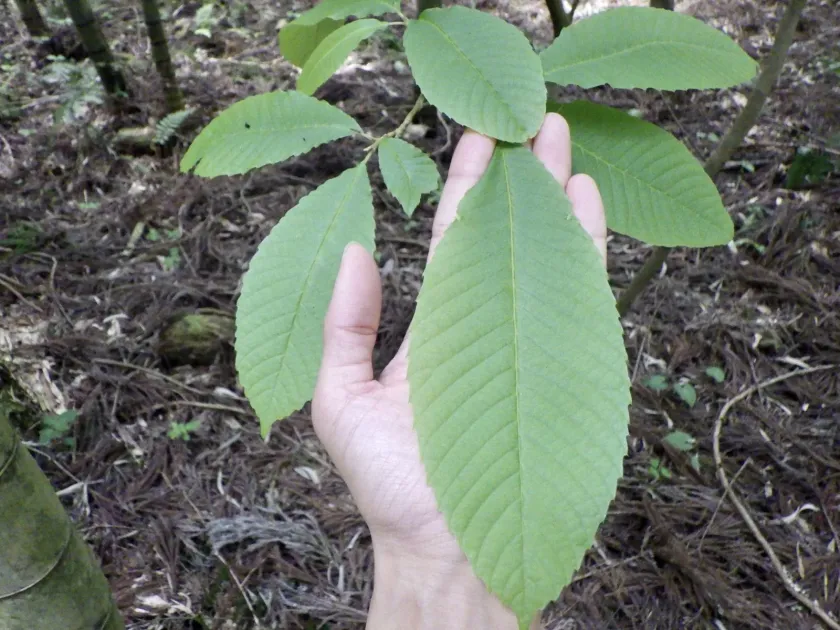
Description
Growing requirements
Meliosma myriantha is a deciduous tree or large shrub belonging to the Sabiaceae family. Native to East Asia, specifically Japan, China, and Korea, this species is highly regarded in horticulture for its elegant foliage and attractive panicles of small, fragrant white flowers.
For optimal growth, this plant requires deep, fertile, and well-drained soil. It thrives in slightly acidic to neutral substrates rich in organic matter. Proper drainage is crucial, as the plant does not tolerate waterlogged conditions that can cause root decay.
The climate requirements involve positioning the plant in a sunny to partially shaded location. It needs protection from harsh, drying winds, especially in the winter months. In cooler climates, providing a sheltered microclimate against a wall or in a protected corner is advisable.
Cultural practices include regular watering during the first few growing seasons to establish a robust root system. Mulching around the base of the plant helps retain moisture and regulate soil temperature, promoting vigorous vegetative growth throughout the season.
Pruning is essential for maintaining a balanced structural form. It is recommended to perform light structural pruning during the dormant season to remove dead or overlapping branches, which enhances the overall display of the blooming panicles during early summer.
Main diseases and pests
Meliosma myriantha is generally resistant to major pests and diseases, provided that environmental requirements are met. However, poor soil aeration can lead to phytophthora root rots, which often manifest as stunted growth and premature leaf drop.
Occasional infestations of spider mites or aphids may occur during hot, dry periods. Managing the plant's moisture levels and encouraging beneficial insect populations are effective biological control measures, though horticultural oils may be used for severe outbreaks.
Fungal leaf spots may appear under conditions of high humidity and poor air circulation. Ensuring the plant is not overcrowded and removing fallen debris in the autumn are key strategies to prevent the buildup of pathogens in the garden soil.
Winter damage, particularly to immature stems, can occur after unseasonably mild autumns or sudden hard frosts. Covering young specimens with breathable fabric during extreme weather events significantly reduces the impact of cold-related stress.
Effective management rests on proactive monitoring and creating a stable environment. By selecting a site with proper drainage and adequate light, the plant will maintain its health and ornamental value for many years in a landscape setting.