
Meliosma rigida
Meliosma rigida
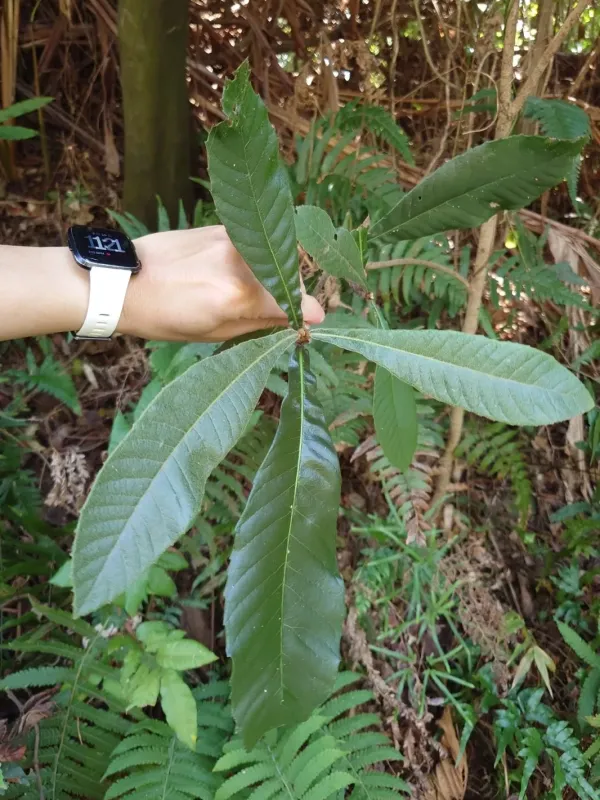
Description
Growing requirements
Meliosma rigida belongs to the Sabiaceae family and is recognized as a woody species native to the mountainous forests of East Asia. The plant is valued for its compact growth habit and distinct structural features.
The culture requires rich, well-draining soil with a balanced nutrient profile. Ideally, the soil should maintain a slightly acidic pH level, which mimics the natural forest floor conditions where this species thrives.
In terms of climate, Meliosma rigida performs best in temperate zones with high humidity and moderate temperatures. It is sensitive to extreme frost and drought, requiring consistent moisture and protection from harsh winter winds to survive.
The botanical structure is marked by stiff, leathery leaves and specialized panicle inflorescences. These characteristics make it a robust candidate for shaded forest garden settings or protected botanical collections.
Economically, Meliosma rigida serves primarily as an ornamental specimen. Its aesthetic value in landscaping is high due to its unique foliage and the overall longevity of the trees once they are established in a suitable environment.
Main diseases and pests
Common agricultural threats include fungal pathogens that target the root system in waterlogged conditions. Proper site preparation and the installation of effective drainage systems are critical preventative measures.
Insect pests, specifically aphids and leaf-eating beetles, may occasionally attack the tender shoots of young trees. Integrated pest management, including the use of targeted sprays, is recommended to preserve the plant's health and foliage quality.