
Meliosma tenuis
Meliosma tenuis
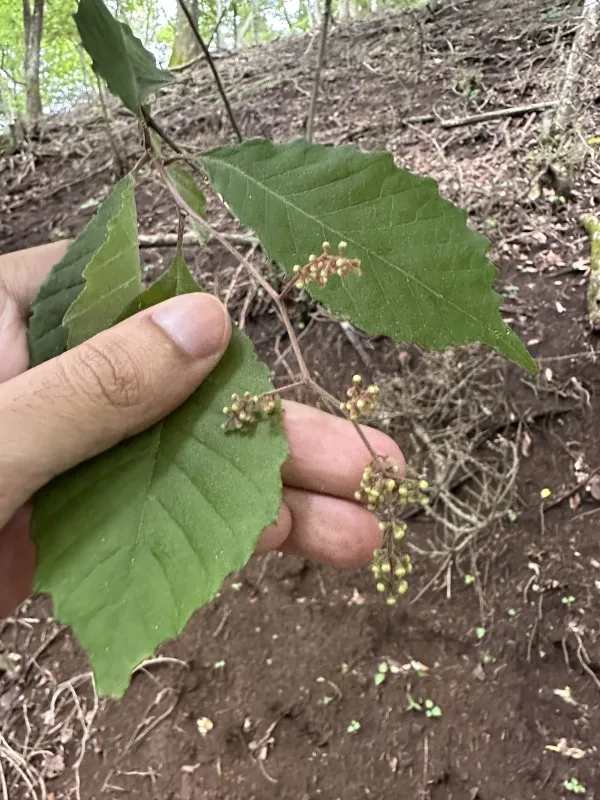
Description
Growing requirements
Meliosma tenuis is an ornamental species belonging to the Sabiaceae family. It is native to the mountainous forested regions of East Asia, where it thrives in sheltered environments with high atmospheric humidity.
The plant requires a location with partial shade to protect its foliage from intense direct sunlight, which can lead to dehydration and scorched leaves. A site with a consistent microclimate is ideal for stable growth.
Regarding soil, it demands well-drained, fertile substrates with a slightly acidic to neutral pH. Proper soil structure is essential to prevent waterlogging, which the root system of this species is highly sensitive to.
Botanically, it is characterized by its slender branches and refined leaf structure, which contribute to its ornamental value. Its growth rate is generally moderate, requiring careful attention during the initial establishment phase.
Agrotechnical practices include consistent watering without oversaturating the soil and applying organic or balanced mineral fertilizers during the spring. Mulching the base helps in moisture retention and soil temperature regulation.
Main diseases and pests
Fungal diseases are the primary threats, especially if air circulation around the canopy is poor. Maintaining proper spacing between plantings is a key preventative measure for healthy growth.
Common pests include aphids and scale insects, which can affect the vigor of the plant. Regular monitoring of the foliage and timely application of horticultural oils or insecticides are recommended to maintain plant health.