
Meliosma herbertii
Meliosma herbertii
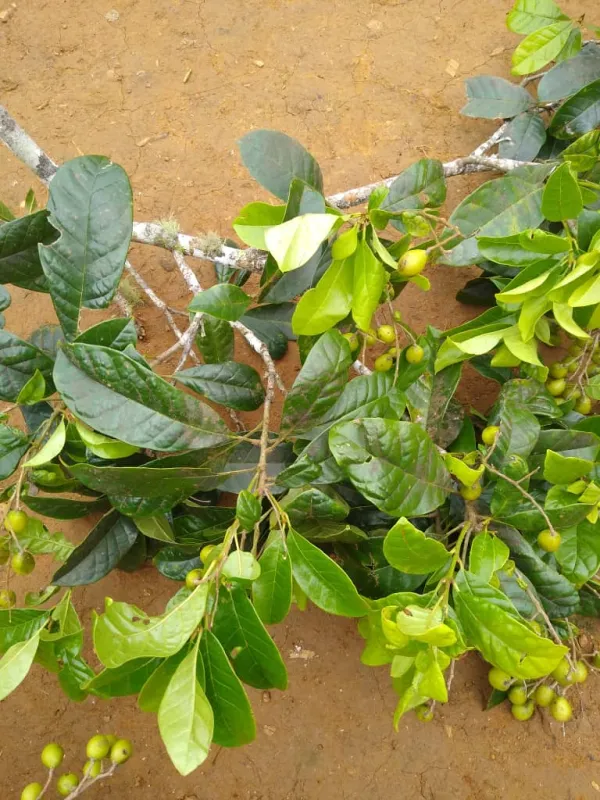
Description
Growing requirements
Meliosma herbertii is a distinct woody species belonging to the family Sabiaceae. Native to the tropical regions of the Caribbean, this plant thrives in ecological niches characterized by high humidity and consistent warmth.
The plant requires well-drained, nutrient-rich soils to maintain optimal growth rates. It does not tolerate waterlogging, as the root system is susceptible to decay if exposed to anaerobic conditions for extended periods.
Environmental conditions must mimic its natural habitat, emphasizing stable temperatures and protection from extreme wind. It is adapted to tropical forest environments where light levels are often filtered or dappled.
Botanically, Meliosma herbertii exhibits typical family traits including small, complex flowers and robust leaf morphology. These features allow the tree to adapt to competitive light conditions within its native canopy.
In terms of usage, the tree serves primarily as a specimen plant in tropical botanical collections and specialized arboretums. Its architectural form makes it a valuable asset for tropical landscape restoration projects.
Main diseases and pests
Meliosma herbertii can be prone to fungal infections that thrive in high-humidity climates. Leaf spot diseases are common if air circulation within the canopy is insufficient.
Common pests such as scale insects and various leaf-mining larvae can cause significant aesthetic and physiological damage to the foliage, requiring active monitoring.
Root system health is often compromised by soil-borne pathogens or nematodes, especially in poorly drained soils or when the plants are grown in confined nursery containers.
Environmental stress factors, such as sudden shifts in moisture availability or exposure to direct, scorching sunlight in an open landscape, can cause systemic weakening of the tree.
Integrated pest management strategies are recommended, focusing on maintaining tree vigor through appropriate fertilization and regular pruning to improve airflow and reduce humidity traps.