
Meliosma pinnata
Meliosma pinnata
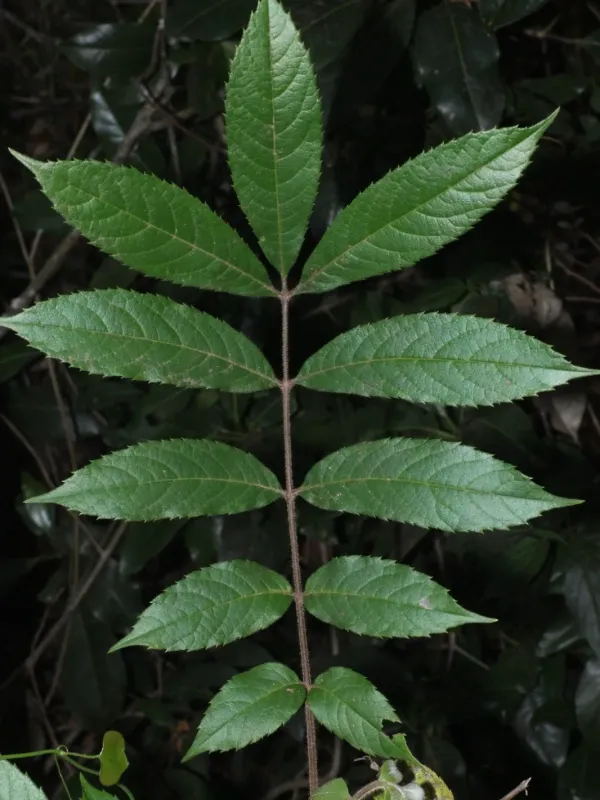
Description
Growing requirements
Meliosma pinnata is a perennial woody plant belonging to the Sabiaceae family. It is native to the diverse forest regions of East and Southeast Asia, where it thrives in warm, humid environments.
The plant is distinguished by its pinnate leaves and complex inflorescences. During the flowering stage, the tree produces numerous small, fragrant blossoms that are highly effective at attracting local pollinators.
Successful cultivation requires soil that is rich in organic matter and possesses excellent drainage capabilities. Unlike many other forest trees, it prefers sheltered spots where direct exposure to harsh, drying winds is minimized.
Climate management is essential, as the plant is adapted to subtropical conditions and lacks significant frost tolerance. In areas with fluctuating temperatures, protective measures are necessary to ensure the tree's health.
Economically, the tree is primarily valued for its ornamental contribution to botanical gardens and landscaped estates. Its structural beauty and seasonal color changes make it a desirable choice for specialized arboriculture.
Main diseases and pests
Root rot pathogens represent the most significant threat to Meliosma pinnata. These conditions typically develop in poorly drained soil, which suppresses root respiration and invites fungal growth.
Pest pressure often comes from leaf-feeding insects and various mites during the primary growing season. Regular horticultural monitoring is recommended to mitigate the impact of these infestations on overall tree vigor.