
Meliosma dilleniifolia
Meliosma dilleniifolia
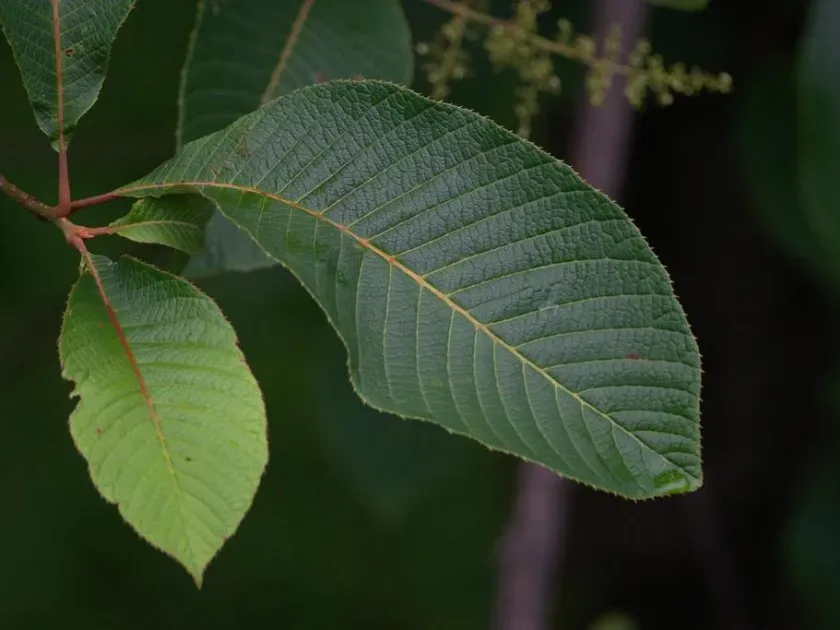
Description
Growing requirements
Meliosma dilleniifolia is a deciduous shrub or small tree belonging to the Sabiaceae family. Native to the mountainous regions of East Asia, this plant thrives in environments characterized by high atmospheric humidity and moderate temperatures throughout the growing season.
The plant requires fertile, well-draining soil rich in organic matter to achieve its full potential. A slightly acidic to neutral soil pH is preferred, as it ensures optimal nutrient availability and supports healthy root system development in diverse landscape settings.
Light requirements for this species are specific: it performs best in partial shade or filtered light conditions. Direct, harsh sunlight can scorch the leaves and stunt growth, making it essential to choose a planting site that provides shelter from the midday sun.
Water management is a cornerstone of success when cultivating this species. Consistent soil moisture is necessary during the active growth phase, yet waterlogging must be avoided at all costs to prevent root rot and other moisture-related pathologies.
In terms of temperature, Meliosma dilleniifolia is not considered fully hardy in colder climates. It requires protection from harsh winter winds and heavy frost, making it suitable for sheltered gardens or greenhouse cultivation in northern temperate regions.
Main diseases and pests
Common plant health threats include fungal diseases such as powdery mildew and leaf spot, which are often exacerbated by poor air circulation. Proper spacing and pruning are essential practices to ensure airflow through the canopy.
Insect pests, including aphids and scale insects, may target new growth and branches. Routine inspections of the plant are necessary to detect early signs of infestation and to apply targeted control measures before the population reaches damaging levels.
Frost damage represents a significant threat to young specimens. Late spring frosts can severely harm emerging buds and tender shoots, necessitating the use of protective fleece or other insulation methods during unexpected cold snaps.
Root system issues frequently stem from poor soil structure. If the soil remains too heavy or compact, the risk of asphyxiation and subsequent rot increases, highlighting the importance of amending the planting hole with organic materials and grit.
Nutrient deficiency symptoms, such as interveinal chlorosis, should be addressed with balanced fertilizers designed for woodland shrubs. Monitoring the health of the foliage provides early warning signs that the plant's nutritional needs are not being met.