
Meliosma oldhamii
Meliosma oldhamii
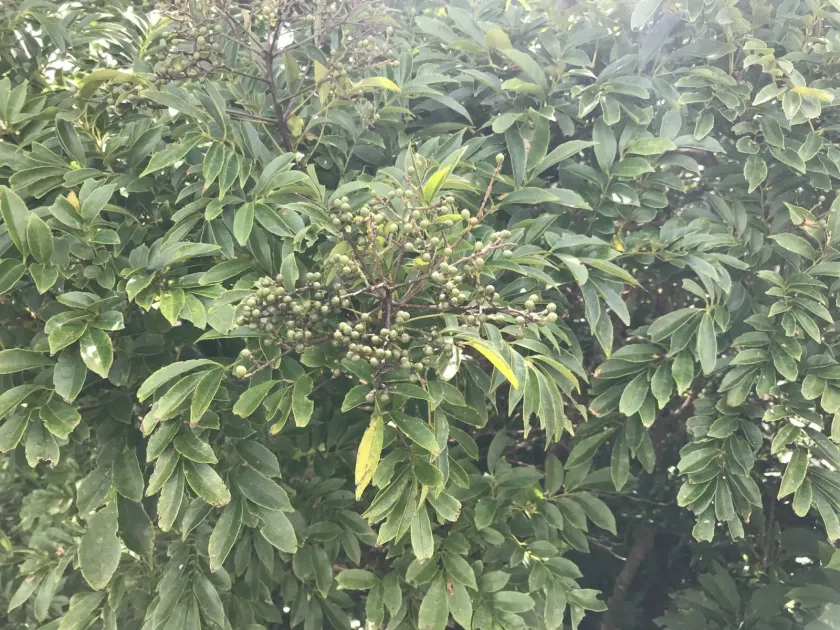
Description
Sowing dates
Propagation of Meliosma oldhamii is typically carried out through seeds or stem cuttings. Seed germination is often slow and requires cold stratification to break dormancy, mimicking the natural winter cycles of its native range.
Sowing should ideally occur in containers during the autumn. By placing the pots in a sheltered area, the seeds undergo the necessary temperature fluctuations required to trigger successful germination in the following spring.
For vegetative propagation, semi-hardwood cuttings are taken in mid-summer. Providing a misting system and bottom heat significantly improves the success rate of rooting, as the cuttings are sensitive to moisture loss.
Once rooted, the saplings require two years of cultivation in a greenhouse or shaded nursery environment. This helps develop a robust root system before the young trees are exposed to the challenges of an outdoor site.
When transplanting to a permanent location, spacing is crucial. Because of its spreading nature, placing each specimen at least 3 to 4 meters apart ensures adequate light exposure and root development.
Growing requirements
Meliosma oldhamii belongs to the Sabiaceae family and is native to Eastern Asia, primarily found in parts of China and Korea. It thrives in temperate regions that provide long growing seasons and sufficient rainfall.
This species requires deep, well-draining, and nutrient-rich soil. It is intolerant of heavy, waterlogged conditions, which can quickly lead to physiological stress and root damage. Slightly acidic soils are preferred for optimal nutrient absorption.
While the tree enjoys a bright location, young specimens need protection from harsh, direct sunlight. As the tree matures, it develops better resilience to heat, provided that its moisture requirements are consistently met throughout the summer.
Temperature management is the primary challenge for cultivating this species outside its native range. Meliosma oldhamii is not fully frost-hardy and requires protection, such as mulching or burlap wrapping, during its first few winters.
Regular fertilization with a balanced mix is recommended during the growing season to promote healthy foliage growth. Reducing nitrogen input in late summer helps the plant harden off, improving its ability to survive winter temperatures.
Main diseases and pests
The primary threats to Meliosma oldhamii involve fungal pathogens, particularly those affecting the root system due to poor soil aeration. Preventing soil compaction is essential to maintaining overall plant health.
Pests such as aphids and scale insects are common. These insects target the new growth, extracting vital sap and leaving the plant vulnerable to secondary infections or severe stunted growth if left unmanaged.
Effective management includes regular pruning to remove any dead or crowded branches. This practice ensures better air movement throughout the canopy, significantly reducing the habitat available for fungal spore development.
Application of systematic insecticides is advisable if pest populations reach damaging levels. It is recommended to apply treatments early in the season to prevent larger infestations and minimize the stress on the host plant.
Constant monitoring of the underside of leaves and bark is highly recommended for growers. Early detection of symptoms is the most efficient way to keep Meliosma oldhamii healthy and thriving in a landscape setting.