
Meliosma cuneifolia
Meliosma cuneifolia
Description
Growing requirements
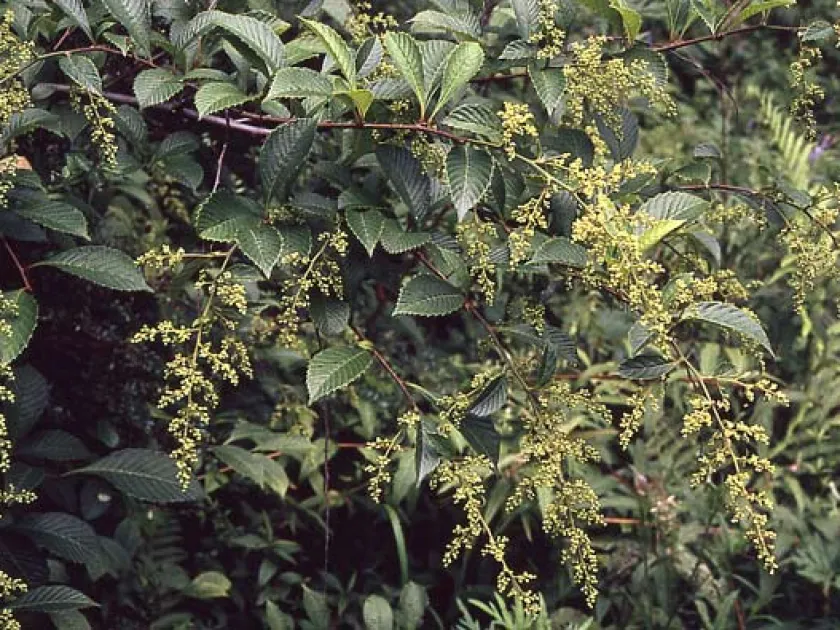
Meliosma cuneifolia is a deciduous shrub or small tree belonging to the Sabiaceae family. It is known for its elegant habit and distinct, wedge-shaped foliage that provides a refined texture in any ornamental garden setting.
The native habitat of this species includes the mountainous regions of Central and Western China. In these areas, it thrives in cool, temperate forest zones, typically at altitudes between 1000 and 3000 meters above sea level.
To achieve optimal growth, the plant requires fertile, well-draining soil with a slightly acidic to neutral pH. It performs best in deep, humus-rich substrates that can retain moisture while preventing any potential waterlogging.
The climate requirements include a preference for high atmospheric humidity and protection from harsh, drying winds. While it shows some cold tolerance, it is best suited for sheltered microclimates in more temperate regions.
Beyond its aesthetic appeal in landscape design, the plant is valued for its mid-summer panicles of small, fragrant flowers. It serves as an excellent focal point in gardens due to its architectural leaf structure and graceful growth habit.
Main diseases and pests
The primary threats to Meliosma cuneifolia include various fungal pathogens that can lead to leaf spots. Maintaining sufficient airflow within the canopy is the most effective cultural method to prevent these infections.
Pest issues often involve common sucking insects like aphids or scale insects. Early detection through regular inspections allows for targeted management, reducing the need for broad-spectrum chemical treatments.
Root health is crucial, as the plant is susceptible to root rot if the soil is consistently waterlogged. Selecting a site with natural or improved drainage is a fundamental requirement for successful long-term cultivation.
Nutrient deficiencies, particularly iron or magnesium, can manifest as leaf chlorosis. Balanced fertilization applied in early spring helps ensure vigorous growth and natural resistance to environmental stressors.
Late spring frosts present a risk to new vegetative growth. In regions prone to volatile weather, protecting young plants during cold snaps is advised to ensure the integrity of the upcoming season's foliage and blooms.