
Meliosma parviflora
Meliosma parviflora
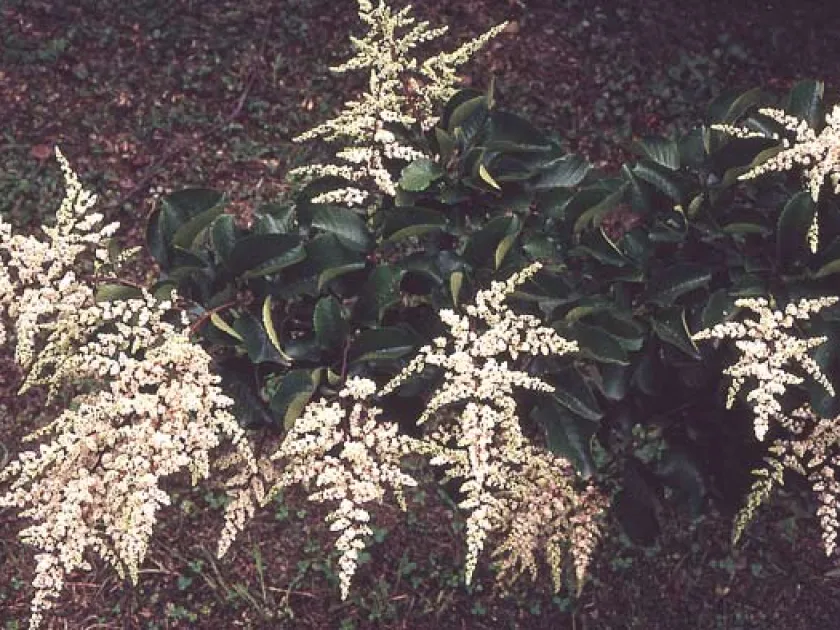
Description
Growing requirements
Meliosma parviflora belongs to the Sabiaceae family and is recognized as an evergreen woody species native to East Asian forest ecosystems. This plant is valued for its structured growth habit and aesthetic contribution to temperate and subtropical landscapes.
The crop thrives in well-drained, nutrient-rich soils that retain moisture without becoming waterlogged. High levels of organic matter are essential for optimal health, and the pH should ideally range from slightly acidic to neutral to ensure nutrient availability.
Climate requirements for this species are centered around stable, moderate temperatures and high atmospheric humidity. It is sensitive to extreme frost, necessitating protection or indoor overwintering in regions with harsh winter conditions.
Light management is a critical factor in the cultivation of Meliosma parviflora. The plant prefers dappled sunlight or partial shade, as intense direct exposure can cause leaf scorching and impede the development of the foliage canopy.
Agrotechnical maintenance requires consistent irrigation schedules during the growing season. Applying mulch around the base helps stabilize soil temperature and prevent the rapid evaporation of moisture, which is vital for sustained development.
Main diseases and pests
The primary threats to the health of this species include fungal infections that manifest in stagnant, poorly ventilated conditions. Root rot is a significant risk if the drainage is insufficient, often caused by overwatering during the cooler months.
Pest pressure can include aphids and scale insects, which target the tender new growth of the plant. Regular monitoring of the foliage and stems is recommended to prevent infestations from compromising the tree's vigor.
Disease management involves maintaining hygiene within the garden environment, which includes the removal and destruction of fallen leaves or debris that could harbor pathogens or overwintering pests.
In cases of significant pest outbreaks, the application of appropriate biological agents or horticultural oils is recommended. Chemical treatments should be used sparingly and only when specific diagnostic identification is confirmed.
Proper spacing between plants is an effective preventive measure. Good airflow significantly reduces the incidence of powdery mildew and other airborne fungal diseases, ensuring the long-term vitality of the specimen.