
Meliosma veitchiorum
Meliosma veitchiorum
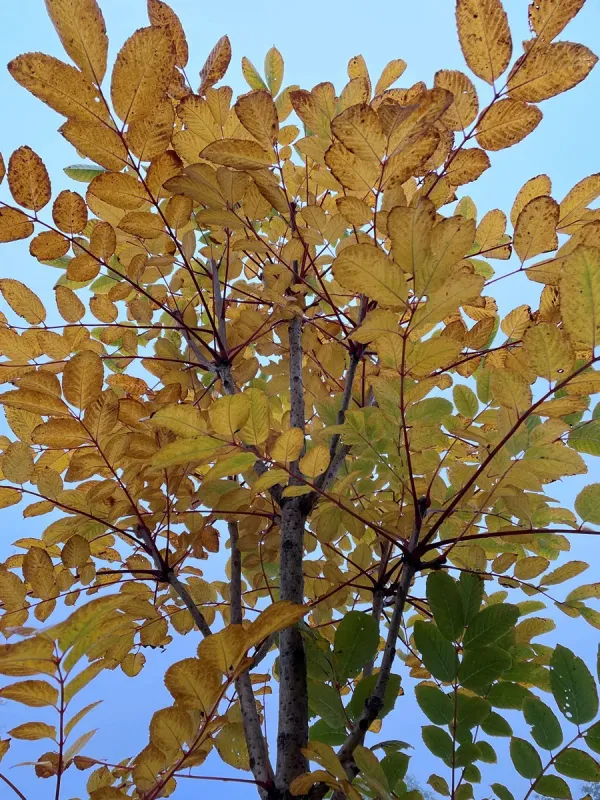
Description
Sowing dates
Propagation of Meliosma veitchiorum is primarily achieved through seeds, which require stratification to break dormancy and ensure uniform germination.
Seeds should be sown in late winter or early spring in a well-draining, sterile potting mix to minimize the risk of soil-borne pathogens.
Maintain a stable temperature of approximately 20 degrees Celsius and keep the substrate consistently moist but not waterlogged during the germination process.
For vegetative propagation, semi-hardwood cuttings taken during the mid-summer months can be rooted under mist systems to promote successful development.
Transplanting seedlings or rooted cuttings to their permanent outdoor location is best done in spring once all danger of frost has passed.
Growing requirements
Meliosma veitchiorum is an ornamental deciduous tree belonging to the Sapindaceae family, native to the temperate forests of China.
The tree thrives in fertile, loamy, and well-draining soils and requires a site protected from harsh winds to prevent foliage damage.
While it tolerates partial shade, it prefers a sunny position to develop its characteristic dense canopy and enhance its flowering performance.
Soil moisture should be balanced; the tree requires consistent hydration but cannot tolerate standing water, which may lead to root asphyxiation.
Annual mulching with organic matter is recommended to preserve soil moisture, improve nutrient availability, and protect roots from temperature extremes.
Main diseases and pests
The most significant threats to Meliosma veitchiorum are root rot diseases, often caused by poor drainage and excessive soil moisture during dormant periods.
Pests such as aphids and spider mites can occasionally affect the plant, particularly during hot and dry spells when the tree is under stress.
Regular sanitation, including the prompt removal of dead or diseased branches, is essential to maintain tree health and airflow within the canopy.
Insecticide applications should be reserved for severe infestations and performed early in the morning to avoid harming beneficial pollinating insects.
Monitoring the plant's health periodically allows for early detection of issues, ensuring that corrective measures are taken before the damage becomes extensive.