
Naringi
Naringi
Naringi (Naringi crenulata) is a distinctive woody plant species belonging to the Rutaceae family. It is natively distributed across the tropical regions of India, Southeast Asia, and parts of the Indian subcontinent, thriving in diverse monsoon-influenced environments.
What the section contains

Naringi
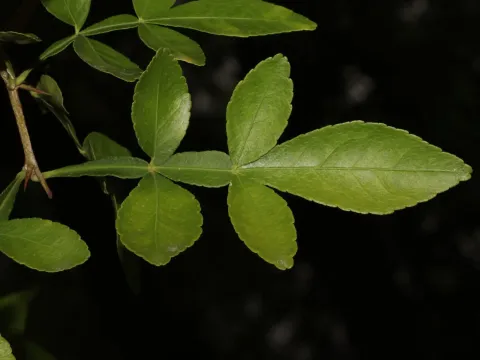
Botanically, the species is classified as a spiny evergreen shrub or small tree. Its leaves are imparipinnate, often releasing a fragrant citrus-like aroma when crushed, a characteristic typical of several aromatic members of the Rutaceae family. The flowers are small, typically white or greenish, and grow in clusters.
To achieve optimal growth, Naringi requires well-drained, fertile soil with a slightly acidic to neutral pH level. It shows high resilience to varied soil types but performs best in locations where groundwater does not stagnate, as the root system is sensitive to waterlogging.
Regarding climate, the plant thrives in tropical zones characterized by distinct rainy and dry seasons. It requires high solar radiation for photosynthesis but benefits from occasional wind protection, especially during the early stages of establishment and development.
Agricultural maintenance involves regular pruning to manage the spiny branches, which can become overly dense. Proper spatial management in plantations is essential to ensure that each plant receives sufficient airflow and access to sunlight for healthy vegetative and reproductive growth.
Typical threats to Naringi health include sap-sucking insects like citrus whiteflies and various species of scales that dwell on the undersides of the leaves. These pests extract nutrients from the plant, weakening its immune system and leading to stunted branch development.
Root rot caused by fungal pathogens is a significant threat in areas with poor drainage or over-irrigation. Ensuring a proper irrigation schedule and using sandy-loam soil mixtures are the most effective preventative measures against these soil-borne diseases.
Sooty mold frequently appears on leaves as a secondary result of insect infestation, forming a black, powdery layer. This layer inhibits photosynthesis and requires immediate cleaning or control of the primary pests to restore plant vitality.
In humid tropical environments, leaf spot diseases can manifest during heavy rainfall. Implementing protective measures such as the use of preventive copper-based fungicides can help maintain the integrity of the foliage and prevent widespread infection.
Consistent monitoring and the application of integrated pest management (IPM) techniques are vital for Naringi. This includes introducing natural predators for pest control, which helps maintain ecological balance within the cultivation site without over-relying on chemical inputs.