
Uncaria rhynchophylla
Uncaria rhynchophylla
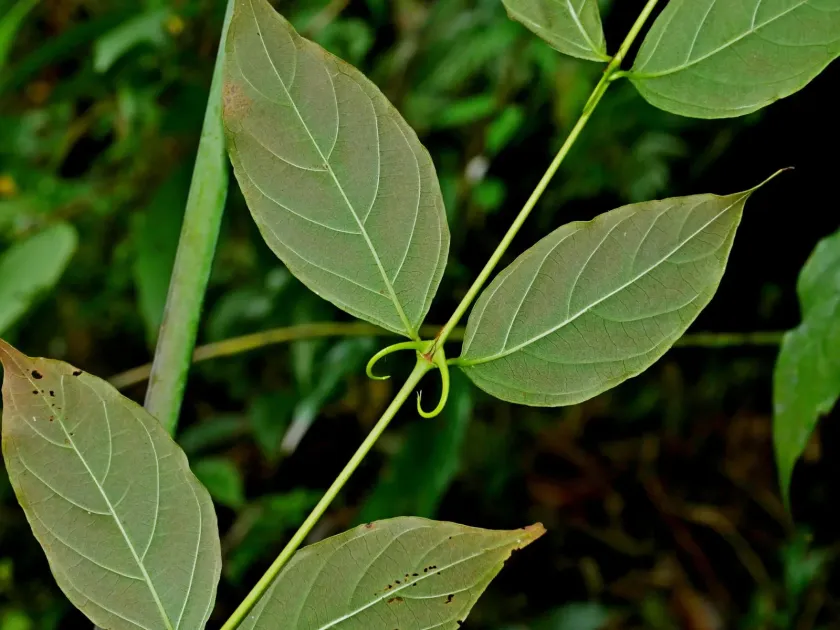
Description
Growing requirements
Uncaria rhynchophylla is a perennial woody vine belonging to the Rubiaceae family. Native to the mountainous forests of East Asia, particularly China and Japan, it is highly valued for its medicinal properties in traditional herbal practices.
The plant thrives in subtropical climates with high humidity levels. It requires consistent temperatures between 20°C and 30°C to flourish. Protection from cold drafts and winter frost is essential for maintaining the health and longevity of the vines in agricultural settings.
For soil requirements, the species prefers well-drained, nutrient-rich, and slightly acidic soil. The root system is sensitive to waterlogging, which necessitates careful site selection on slopes or raised beds to ensure proper drainage and root aeration.
Agrotechnical management involves providing a trellis or structural support system, as this species is a natural climber. Regular monitoring of soil moisture and nutrient supplementation, especially during the peak growing season, significantly improves biomass production.
Economically, the plant is cultivated for the harvest of its hooked branches, known as Gouteng. These contain pharmacologically active compounds, including rhynchophylline, which are utilized in blood pressure regulation and neurological support supplements.
Main diseases and pests
Common plant health threats include fungal infections such as leaf spot and root rot, often triggered by inadequate drainage or dense canopy structures. Proper spacing is a key preventative measure to ensure airflow.
Pest pressures primarily include sap-sucking insects like aphids, spider mites, and whiteflies. Integrated pest management strategies, focusing on biological controls and organic horticultural oils, are effective for maintaining plant vigor.
Harvesting
Harvesting involves the careful pruning of mature stems containing the signature hooks. This process is typically performed manually at the end of the growth cycle to ensure maximum alkaloid concentration.
The harvested material must be processed promptly, beginning with cleaning and controlled drying. Drying in dark, ventilated areas prevents the degradation of delicate active compounds, ensuring high-quality standard raw material for pharmaceutical processing.