
Uncaria cordata
Uncaria cordata
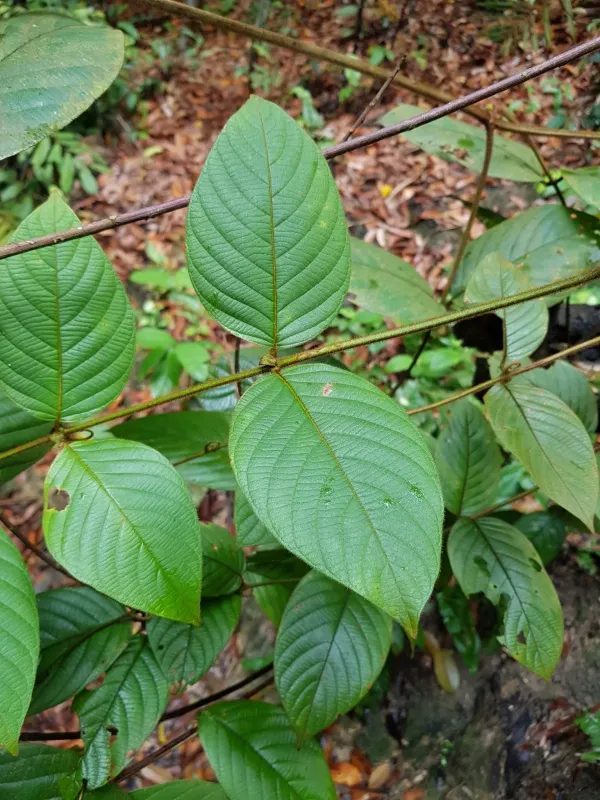
Description
Sowing dates
Uncaria cordata is a vigorous woody vine belonging to the Rubiaceae family, native to tropical regions. Propagation is primarily carried out through seeds, which require high humidity and consistent warmth to germinate effectively.
Sowing should be performed in a light, well-draining soil mix enriched with peat or coconut coir to ensure optimal moisture retention without waterlogging the sensitive roots.
Seeds need to be placed on the surface or lightly covered with a thin layer of substrate, as they often require exposure to indirect light to trigger the germination process.
Cuttings are a more common method for commercial cultivation, involving the use of semi-hardwood segments. These are treated with rooting hormones and kept in a high-humidity environment until they establish a strong root system.
Young plants should be hardened off before moving them to their permanent location, ensuring they are protected from sudden drafts or changes in ambient temperature.
Growing requirements
This tropical vine demands a climate free from frost, thriving best in temperatures ranging from +22°C to +30°C. Cold spells below +15°C will significantly stunt growth and development.
The soil requirements focus on fertility and drainage; a slightly acidic, humus-rich substrate is ideal. Heavy clay soils should be amended with organic matter to improve aeration.
Abundant, filtered sunlight is essential for healthy development. While the plant loves light, direct midday sun in high-temperature zones can scorch the foliage.
High relative humidity, typically around 70-80%, is vital for the plant's metabolic functions. Supplemental misting or automated greenhouse humidifiers are recommended in dryer regions.
Regular fertilization with a balanced, slow-release nutrient formula supports the rapid vine growth needed to produce biomass for commercial extraction purposes.
Yield
The harvestable yield of Uncaria cordata consists primarily of leaves and bark, which are utilized for their medicinal properties. Productivity scales with the age of the plant and the vertical space provided.
Using vertical trellising systems allows for higher plant density per square meter, effectively maximizing the total leaf area and improving overall harvest volumes.
Pruning is a critical agricultural practice that encourages lateral branching and foliage production, allowing for multiple harvests within a single growing cycle.
Plants generally reach maturity and peak alkaloid production after several years of growth, making long-term plantation management more profitable than annual replanting.
Proper density management and the use of healthy, disease-free parent plants are the primary factors influencing the consistency and quality of the raw material yield.
Main diseases and pests
Fungal pathogens represent a significant threat to Uncaria cordata, especially in greenhouses with stagnant air. Leaf spot diseases are common if foliage remains wet for extended periods.
Spider mites are the most troublesome pests, flourishing in dry, warm conditions. They can cause premature leaf drop and weaken the plant's overall photosynthetic capacity.
Root rot is a major physiological challenge caused by poor drainage or overwatering, which creates an anaerobic environment hostile to the root system.
Mealybugs and scale insects may also infest the stems, extracting sap and creating honeydew, which further encourages the growth of sooty mold.
Integrated pest management, including biological controls and rigorous sanitization protocols, is essential to minimize the need for synthetic chemical treatments.
Harvesting
Harvesting is performed during the peak growth phase, ensuring that the plant's physiological stress is minimized through careful, strategic cutting of branches.
Leaf harvesting is done manually, selecting mature leaves while allowing younger apical buds to remain, which facilitates rapid regeneration for subsequent harvests.
Bark harvesting requires careful removal, ensuring that the plant's vascular integrity is not compromised, as deep girdling can lead to the death of the main stem.
Post-harvest processing involves immediate cleaning and drying at moderate temperatures, typically below +45°C, to prevent degradation of the bioactive compounds.
Once dried, the raw material must be stored in cool, dark, and airtight containers to protect it from moisture, pests, and ultraviolet light exposure.