
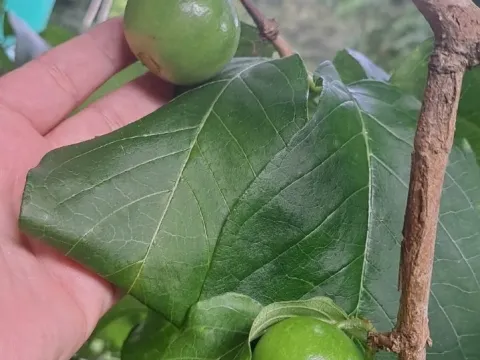
Vangueria
Vangueria
Propagation of Vangueria is predominantly achieved through seeds, which require proper handling to ensure successful germination. It is advisable to soak the seeds for 24 hours before planting to soften the hard outer seed coat.
What the section contains

Vangueria
Sowing should take place in a well-draining soil mix during the warm season when temperatures are consistently above 22 degrees Celsius. Maintaining high humidity during the initial stages is crucial for the development of the seedlings.
The growth rate of young Vangueria trees is relatively slow. Providing a nutrient-rich starter medium will help establish a robust root system before transplanting them to their permanent location.
Vegetative propagation via cuttings is also possible under greenhouse conditions, utilizing high-humidity chambers and rooting hormones to increase success rates. This method is preferred when propagating superior cultivars.
Transplanting seedlings to open ground should be timed with the onset of the rainy season to allow the roots to stabilize before the soil dries out significantly.
Vangueria belongs to the Rubiaceae family and thrives in tropical and subtropical regions. It prefers full sun exposure, although some light shade can be beneficial in extremely hot and arid climates.
The soil should be fertile, deep, and have excellent drainage properties. While the plant can tolerate a range of soil types, it performs best in slightly acidic to neutral loamy soils rich in organic matter.
Water requirements are moderate, but regular irrigation is necessary during the flowering and fruit-setting phases. Prolonged drought can lead to flower abortion and significantly reduced fruit quality.
Optimal temperature ranges for growth are between 20 and 30 degrees Celsius. Protection from frost is essential, as even mild sub-zero temperatures can cause severe damage to the tree's vascular system.
Fertilization with organic compost or balanced slow-release NPK fertilizers annually promotes healthy foliage growth and enhances the development of the characteristic edible fruits.
The fruit of the Vangueria, often referred to as wild medlar, is highly valued for its nutritional profile. Mature trees produce clusters of round, brownish-yellow fruits that are ready for harvest when soft.
Proper pruning and training of the canopy are essential for achieving optimal yields. By thinning out unproductive branches, air circulation and light penetration into the center of the tree are improved.
In well-managed orchards, the yield is consistent, and fruit quality remains high. The fruits are primarily consumed fresh, but they are also suitable for industrial processing into jams, jellies, and juices.
The economic potential of Vangueria lies in its resilience to local pests and its ability to produce fruit in environments where traditional fruit crops may struggle to thrive.
Harvest management, including careful handling and sorting post-harvest, is vital to maintaining the quality of the fruit, as it is susceptible to bruising and rapid deterioration if stored poorly.
Scale insects and spider mites are among the most common pests affecting Vangueria. Regular monitoring of the underside of leaves and stems allows for early intervention with mild horticultural soaps or systemic pesticides.
Fungal pathogens such as leaf spot can occur in areas with poor ventilation and high humidity. Improving spacing between trees and maintaining clear sanitation practices are the primary methods for prevention.
Root rot, caused by waterlogged conditions, is a significant threat. Ensuring that the site is well-drained and avoiding excessive watering during dormant phases is critical to preserving the tree's health.
Aphids can cause damage to tender new growth during the spring flush. Natural predators such as ladybugs often provide biological control, but intervention might be necessary in large infestations.
Regular sanitary inspections help in identifying potential bacterial or viral infections early, preventing them from spreading across the entire plantation.
Harvesting Vangueria fruits requires careful timing, typically when the color turns from green to a yellowish-brown hue and the fruit softens slightly. Picking at the correct stage is crucial for flavor development.
Manual harvesting is the standard method, as it prevents damage to the delicate skin of the fruit. Workers should use shears to snip the stems rather than pulling the fruit from the branches.
Post-harvest storage should be done in a cool, well-ventilated environment. Because the fruit has a high water content, it has a relatively short shelf life at room temperature.
Processing into preserves or drying is an excellent strategy to extend the availability of the harvest beyond the short season. This adds significant value to the crop for smallholders.
Sorting by maturity level at the time of harvest allows growers to market fruits according to their specific needs, whether for immediate fresh sale or processing purposes.