
Uncaria gambir
Uncaria gambir
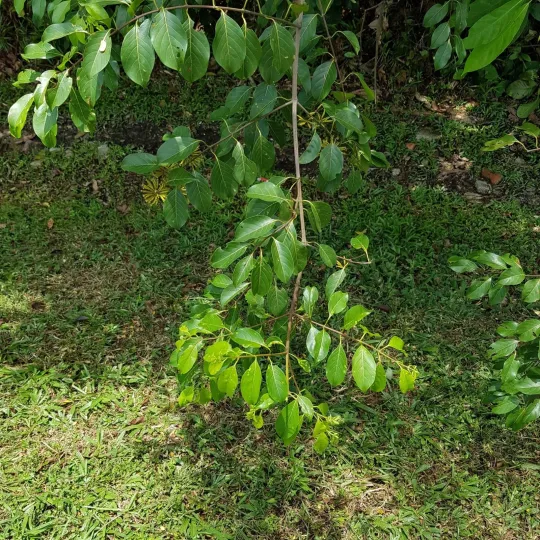
Description
Growing requirements
Uncaria gambir is an evergreen climbing shrub belonging to the Rubiaceae family. Native to the tropical regions of Southeast Asia, particularly Indonesia and Malaysia, this plant is primarily cultivated for its rich content of tannin and catechins.
The plant thrives in a tropical climate characterized by consistently high humidity and temperatures ranging from 22 to 30 degrees Celsius. It requires adequate annual rainfall and protection from extreme wind, which can damage its climbing branches.
Soil requirements include fertile, well-drained loamy or sandy substrates. Proper drainage is essential to prevent root rot, as the plant cannot tolerate waterlogged conditions. It grows best in soils with a slightly acidic to neutral pH level.
Agricultural management involves regular pruning to encourage the development of new shoots. Frequent pruning is a key practice, as young leaves and twigs contain the highest concentrations of active phenolic compounds.
Fertilization with organic matter is recommended to support rapid vegetative growth in younger plants. Consistent field maintenance ensures high plant vigor and longevity in industrial plantation settings.
Harvesting
The harvesting process involves clipping the leaves and tender branches throughout the year. As the plant does not have a strict dormant period, production can be maintained continuously depending on the climatic conditions of the region.
The extracted sap is obtained by boiling the plant material in large vats. The resulting liquid is thickened through evaporation until it reaches a paste-like consistency, which is then shaped into blocks or cubes for marketing.
Gambier is historically significant in the leather industry, where it acts as a superior vegetable tanning agent. It produces leather with excellent texture and durability compared to other vegetable tannins.
In the pharmaceutical sector, the extract is valued for its astringent properties. It is commonly utilized in treatments for digestive system disorders, oral health issues, and as an ingredient in traditional herbal formulations.
Efficiency in harvesting is determined by the age of the shrubs, with maximum yield often observed in plants between three and ten years old. Proper post-harvest handling of the green biomass is critical to ensure the quality of the final catechu product.